Key Takeaways
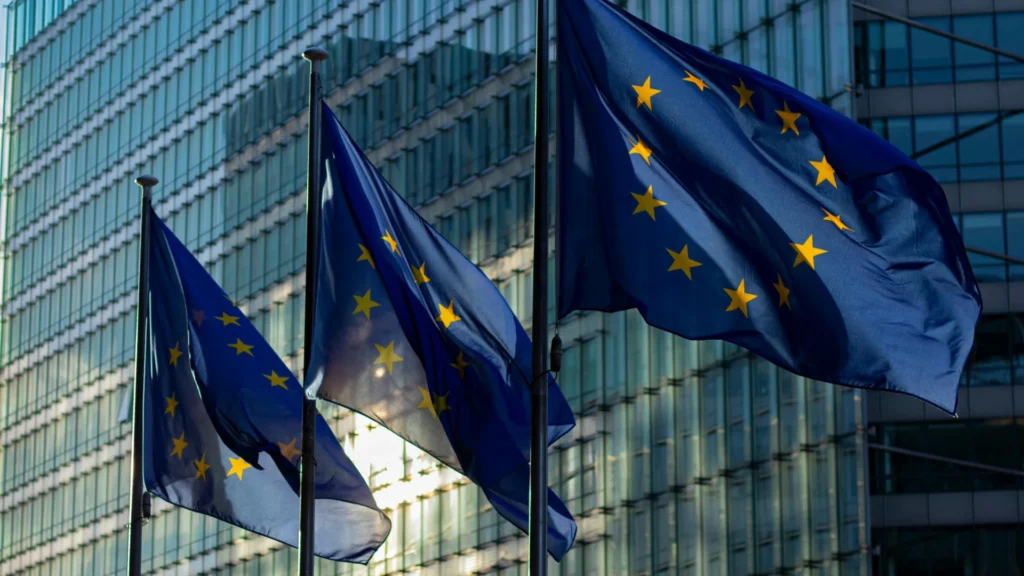
- The EU’s executive arm is pushing to transfer responsibility for crypto regulation to the European Securities and Markets Authority.
- Under the MiCA regulation, oversight is currently the responsibility of national authorities.
- The proposal threatens Malta’s thriving crypto scene.
The European Commission is pushing to centralize crypto regulation under the EU’s Markets in Crypto Assets (MiCA) regulation.
Instead of letting member states enforce the rules individually, the European Securities and Markets Authority (ESMA) would become the primary MiCA regulator.
The change could serve as a major blow to Malta’s status as the EU’s preeminent crypto hub.
While the island has become a popular destination for crypto firms seeking a license base, other countries have accused Malta’s Financial Services Authority (MFSA) of lax oversight.
Malta’s MiCA Enforcement
In 2018, Malta became one of the first countries in the world to introduce a regulatory framework for crypto.
Under the Virtual Financial Assets (VFA) Act, crypto exchanges were licensed by the MFSA.
Seeking refuge from regulatory uncertainty elsewhere, major firms like Binance and OKX headed to Malta, which soon established a thriving crypto sector, earning the nickname “blockchain island.”
Pre-MiCA, Malta’s VFA license provided an important stamp of legitimacy for EU crypto exchanges.
There was no guarantee other countries would accept them, but some form of official recognition was better than none.
With the introduction of an EU-wide regulatory framework, MiCA has largely superseded the VFA regime.
For crypto firms that already held VFA authorization, it made sense to swap the old license for the new EU authorization.
Exchanges like OKX and Crypto.com had already registered businesses on the island and were used to working with the MFSA.
Malta has also attracted newcomers seeking a MiCA license base from which they can passport their services across the EU.
This latest generation of applicants could select any member state as their regulatory anchor, including low-tax jurisdictions like Ireland, so why are they drawn to Malta?
MFSA in the Spotlight
Exchanges setting up shop in Malta cite the MFSA’s years of experience as a crypto regulator, but that’s only half the story.
From the moment it approved its first MiCA licenses, the MFSA gained a reputation for processing applications faster than other supervisory authorities.
In April 2025, the ESMA launched a review of the regulator’s authorization process. It concluded that the MFSA approved at least one license application prematurely, stating that it “should have been more thorough” in its assessment.
Against this backdrop, authorities in France, Italy, and Austria have called for the regulation of MiCA to be centralized.
Under their proposals, responsibility for oversight would be transferred from national regulators to the ESMA.
In September, France’s financial watchdog, the AMF, went even further.
Unless the ESMA steps in to guarantee equal application of MiCA rules across the EU, the AMF may be forced to cease recognizing licenses issued elsewhere, President Marie-Anne Barbat-Layani warned.
Like its peers in Italy and Austria, the AMF didn’t explicitly mention the MFSA. But given the context, it is clear who their intended target is.
Regulatory Centralization in the EU
According to a Bloomberg report on Nov. 14, the European Commission has circulated a draft proposal to centralize EU crypto regulation under the ESMA.
Proponents of the idea insist that centralized supervision is needed to harmonize the EU’s fragmented capital markets. But it would represent a significant shift for the EU, which has traditionally left the enforcement of financial regulations up to member states.
The latest proposals already face opposition from Europe’s financial hubs, which value nimbleness and autonomy, and risk losing a key regulatory edge.
For instance, Luxembourg’s finance minister, Gilles Roth, has argued against concentrating power with the ESMA. “Instead of boosting competitiveness, it will increase burden and also complexity,” he warned recently.
Resistance may also emerge from eurosceptic traditions in countries like the Netherlands, which tend to oppose further EU integration and bristle at the prospect of U.S.-style federalism.
Implications For The European Crypto Sector
For crypto firms, there are arguments on both sides of the debate over who should enforce MiCA.
Without the option to shop around for the most favorable jurisdiction, companies may face longer approval timelines and higher compliance costs. This could be especially damaging for smaller firms with limited resources.
On the other hand, the whole sector loses if the AMF or one of its peers exercises the nuclear option.
If just one country refused to acknowledge Maltese licenses, it would undermine MiCA’s central thesis of a single authorization for the entire single market, rendering the framework all but meaningless.
Top Trending Crypto Articles

James Morales is CCN’s blockchain and crypto policy reporter. He has been working in the news media since 2020, writing about topics such as payments, banking and financial technology. These days, he likes to explore the latest blockchain innovations and the evolving landscape of global crypto regulation.
With an educational background in social anthropology and media studies, James uses his platform as a journalist to explore how new technologies work, why they matter and how they might shape our future.