Key Takeaways
- An armed suspect posing as a UPS driver gained entry to a San Francisco home and stole $11 million in Ethereum and Bitcoin.
- The victim, identified as Joshua, is a tech investor who lives with venture capitalist Lachy Groom, Sam Altman’s former partner.
- Security experts warn of a rising trend in kidnappings and attacks targeting crypto holders.
A tech investor connected to Sam Altman was the victim of an $11 million crypto heist after an armed robber posing as a delivery driver gained access to his home on Saturday, according to The New York Post.
The suspect, pretending to work for UPS, allegedly beat and tortured the victim before stealing millions in Ethereum and Bitcoin.
Delivery Driver
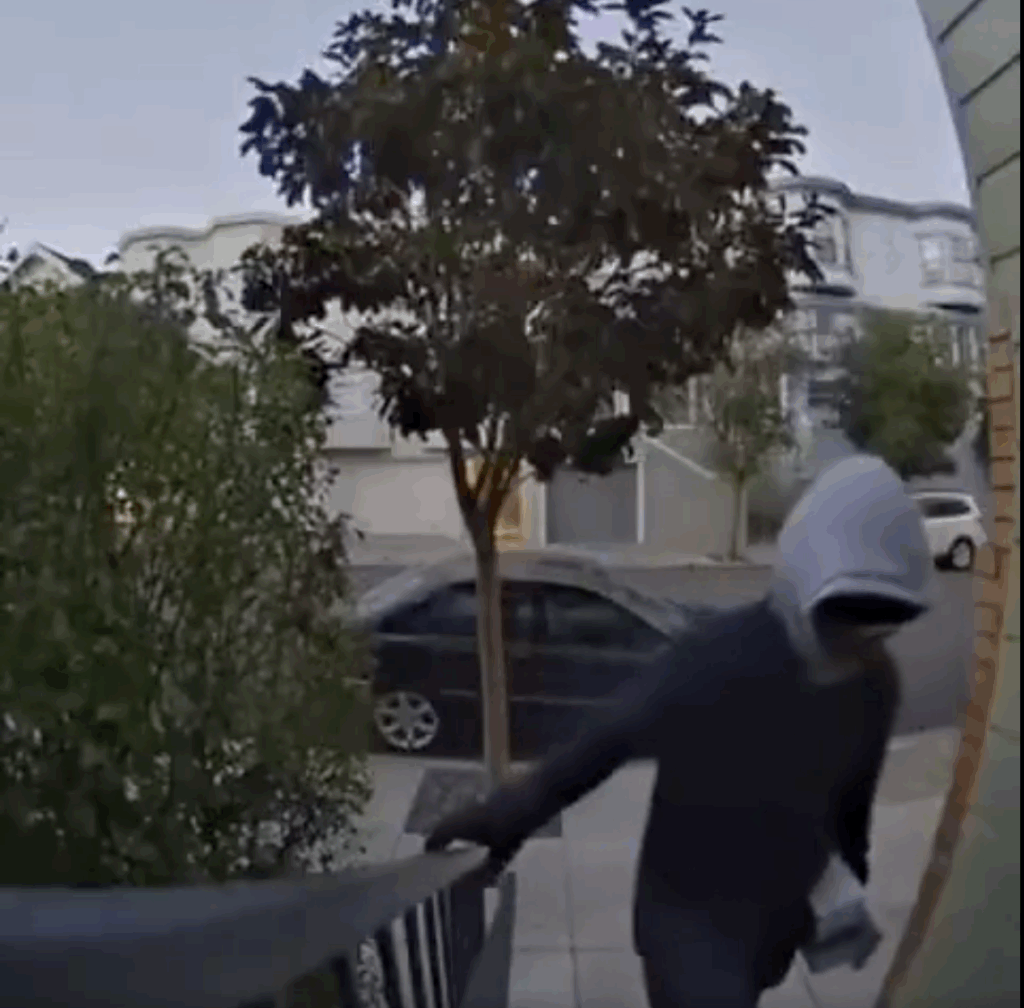
On Saturday, Nov. 22, the suspect arrived at the $4.4 million San Francisco property carrying a white package.
Doorbell footage, captured on a Ring camera and shared on social media, shows the suspect asking for “Joshua,” claiming he has a package for him.
The victim, identifying himself as Joshua, opens the door. After the suspect asks to borrow a pen to sign for the package, both men walk inside.
Moments later, the Ring camera picks up a loud banging sound.
Violence Ensues
Once inside, the suspect allegedly pulled a gun on the victim and restrained him with duct tape.
According to The Post, the victim was beaten and tortured while holding a phone to his ear with unidentified foreign voices relaying personal information about him.
During the attack, the suspect reportedly stole the Altman-linked victim’s phone and laptop, then drained his crypto accounts of $11 million in Ethereum and Bitcoin.
Police arrived to find the victim with minor injuries.
Sam Altman Link
The property is owned by venture capitalist Lachy Groom, the ex-boyfriend of OpenAI CEO Sam Altman.
Groom purchased the home from Altman’s brother in 2021 for $1.8 million, according to property records cited by The Post.
Joshua is described as a fellow tech investor who lives with Groom. No additional details about him have been released.
The residence sits in a neighborhood popular with tech leaders, with Meta CEO Mark Zuckerberg reportedly previously owning a home nearby.
The Risk of Crypto Crime
Physical attacks and kidnappings targeting cryptocurrency holders have risen in recent years, security experts say.
“There’s definitely an uptick in kidnappings targeting crypto owners,” Steve Krystek, chief executive of security firm PFC Safeguards, told The Post.
He added: “Many of those who acquire this wealth tend to flaunt it, making themselves visible targets.”
Security analysts warn that public-facing figures in the crypto world are especially vulnerable, as criminal groups monitor online behavior and public records to identify potential victims.
Experts advise avoiding displays of wealth on social media, not sharing travel information, and keeping home addresses and daily routines private.
Individuals are also encouraged to use aliases when possible and prevent family members from being publicly connected to crypto activity or identifiable assets.

Kurt Robson is a London-based reporter at CCN, specialising in the fast-moving worlds of crypto and emerging technology. He began his career covering local news in Cornwall after graduating from Falmouth University with First Class Honours in Journalism. There, he cut his teeth on everything from council meetings to missing swans.
He quickly rose through the ranks to become a frontline journalist at several of the UK’s leading national newspapers. Over the years, he has interviewed musicians and celebrities, reported from courtrooms and crime scenes, and secured multiple front-page exclusives.
Following the upheaval of the COVID-19 pandemic, Kurt shifted his focus to technology journalism—just ahead of the AI boom. With a natural curiosity and a trained eye for emerging trends, he has found a new rhythm in reporting on innovation.
At CCN, Kurt's work focuses on the cutting edge of crypto, blockchain, AI, and the evolving digital world. Drawing on his background in people-first reporting and his deep interest in disruptive tech, Kurt delivers stories that are insightful, entertaining, and human-centric.












 iGaming Billionaire Tim Heath’s Kidnappers Face Jail Time as Authorities Continue Search for More Attackers