Key Takeaways
- The Senate Agriculture Committee narrowly passed the crypto bill portion 12-11 along party lines.
- The legislation clarifies CFTC oversight of digital commodities like Bitcoin, while the SEC handles security tokens.
- Next steps include Banking Committee markup, Senate floor vote, House reconciliation, and presidential signature.
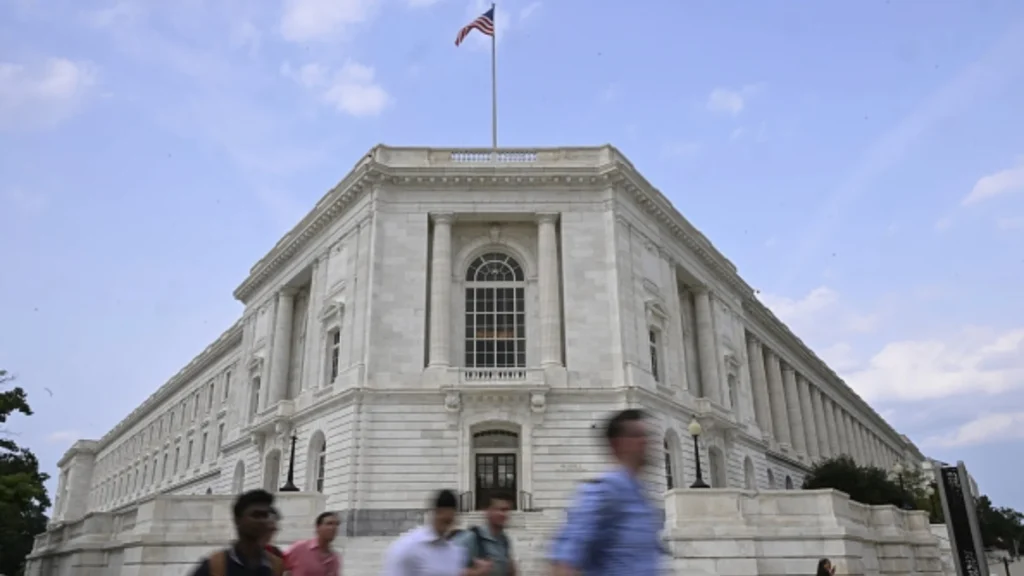
The Senate Agriculture Committee has advanced its portion of the Crypto Clarity Bill, formally known as the Digital Commodity Intermediaries Act (DCIA), in a razor-thin 12-11 vote.
The vote fell strictly along party lines, with all Republicans supporting the measure and all Democrats opposing it.
First Approval for Market Structure Bill
This marks the first time a crypto market structure bill has cleared a Senate committee — a milestone celebrated by industry leaders.
Coinbase CEO Brian Armstrong credited bipartisan efforts despite the partisan outcome.
However, the vote comes amid significant controversy.
Democrats raised concerns over ethics, potential conflicts of interest tied to President Donald Trump’s family crypto ventures, weakened investor safeguards, and national security risks related to decentralized finance (DeFi).
Supporters, including firms like Anchorage Digital, argue the legislation provides a foundation for market maturity and positions the U.S. as a global leader in crypto, competing with frameworks such as the EU’s Markets in Crypto-Assets (MiCA) regulation.
Despite the progress, the bill’s partisan passage highlights deep divisions.
Democrats on the Agriculture Committee, including Chairwoman Debbie Stabenow, emphasized governance concerns at the CFTC, DeFi vulnerabilities, and the lack of ethics rules preventing officials from profiting from crypto.
An ethics amendment proposed during the markup failed along party lines.
Critics, including watchdog groups, worry this could weaken investor protections and increase risks from unregulated assets.
What’s Next: The Path To Becoming Law
While the Agriculture Committee’s approval is a critical step, the CLARITY Act is far from finalized.
The next stage involves the Banking Committee, which must advance its version of the bill covering SEC rules, stablecoins, and DeFi.
The markup was delayed but is reportedly scheduled for early February 2026.
Key debates are expected over stablecoin yield bans, pushed by banks, and tokenized assets. White House involvement signals potential compromises.
If both committees approve their respective portions, the bills must be reconciled into a single Senate version.
Following reconciliation, the full Senate will vote.
Passage likely requires 60 votes to overcome a potential filibuster due to limited Democratic support.
Depending on momentum, a vote could occur within weeks, though midterm elections and government shutdown discussions could add uncertainty.
The reconciled Senate bill would then be merged with the House’s 2025 version, which passed 294-134.
After both chambers approve the final text, it would go to President Trump for signing.
Given his pro-crypto stance and family involvement in the industry, approval seems likely if it reaches his desk.
Optimistically, the full passage could occur by mid-2026; pessimistically, partisan gridlock or changes in House control could stall progress.
Market Implications
If enacted, the CLARITY Act could boost market confidence by providing regulatory certainty, attracting institutional capital, and reducing offshore migration.
Exchanges like Coinbase may see upside from clearer paths for custody and trading.
However, stricter compliance rules could increase costs for smaller players.
Short-term market reactions are mixed, with some “sell the news” sentiment, but the bill could support long-term adoption and stability.
Top Trending Crypto Articles

Prashant Jha is a seasoned crypto journalist based in Delhi, India, with a Bachelor’s Degree in Computer Science Engineering. Passionate about the evolving world of blockchain and cryptocurrencies, he has been a dedicated voice in the industry since 2018. Prashant’s expertise lies in regulatory reporting, where he unravels complex legal and financial developments with clarity and precision. Before joining CCN in 2024, he honed his craft at Cointelegraph, establishing himself as a trusted name in crypto journalism.
His coverage spans major industry events, including the high-profile collapses of FTX, Three Arrows Capital (3AC), and LUNA, offering readers insightful analyses of their regulatory and market implications. Prashant’s technical background enables him to bridge the gap between intricate blockchain technology and its real-world applications, making his work accessible to novices and experts.
Beyond his professional pursuits, Prashant is an avid music enthusiast, often exploring diverse genres to unwind. A sports lover, he has a particular passion for cricket and frequently engages in discussions about the game. His multifaceted interests and sharp journalistic instincts make him a valuable contributor to CCN, where he continues shaping the crypto landscape's narrative.