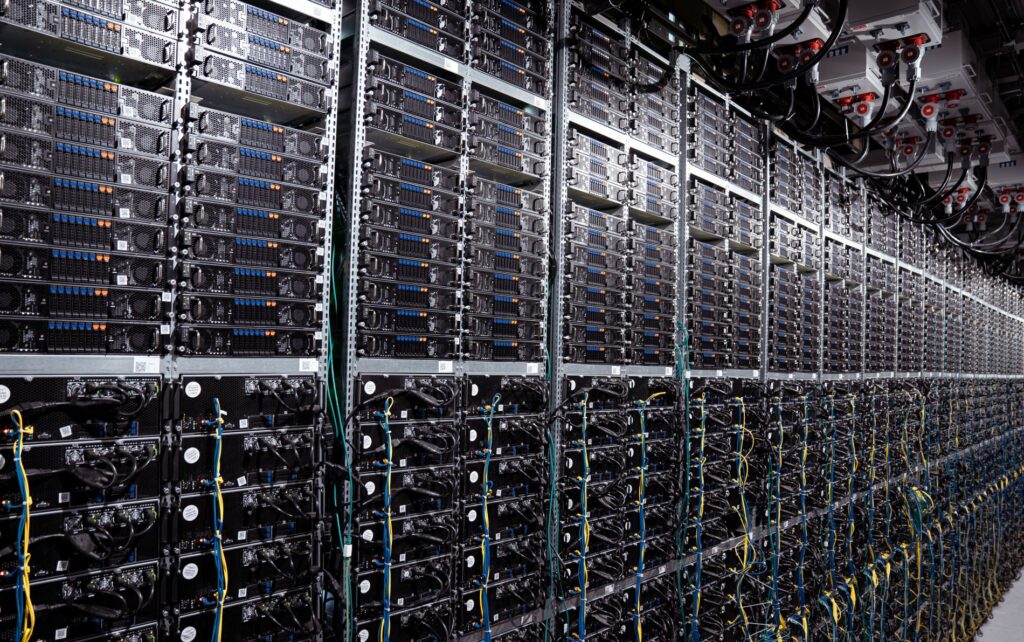
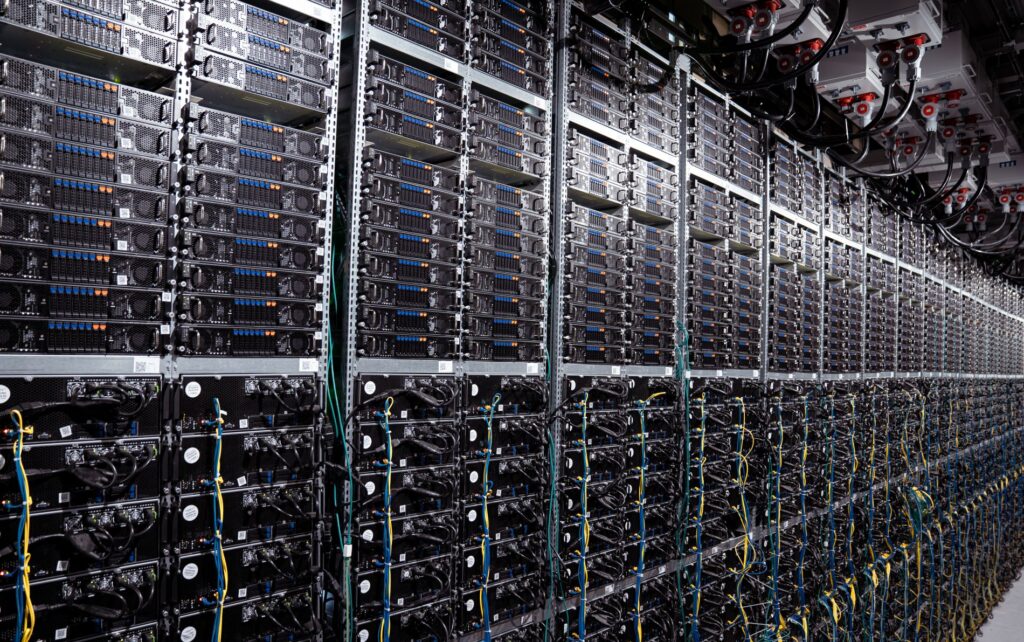
Jimmy Carr believes Britain should experiment with using unused power station capacity to mine Bitcoin.
The comedian questioned why the U.K. lacks a sovereign wealth fund.
The idea emerges as bitcoin miners face falling profitability.
British comedian Jimmy Carr has suggested that the U.K. government should consider using idle power stations to mine Bitcoin, pitching the idea as a radical rethink of public finances as digital assets move further into the mainstream.
Speaking on the Triggernometry podcast on the day of the U.K. budget, Carr argued that governments should be more willing to experiment with unconventional revenue sources rather than relying almost exclusively on taxation.
Try Our Recommended Crypto Exchanges
Sponsored
Disclosure
We sometimes use affiliate links in our content, when clicking on those we might receive a commission at no extra cost to you. By using this website you agree to our terms and conditions and privacy policy.
Carr said Britain should be open to the idea of state-backed Bitcoin mining, particularly during periods when electricity generation capacity goes unused.
“Our power stations just don’t do anything at night,” Carr said, adding that surplus energy could instead be used to mine Bitcoin or host data centres.
“We’re going to mine for Bitcoins. Great. New gold standard, fine.”
He framed the proposal as an example of the kind of financial experimentation he believes governments should pursue.
If it works, he said, the country benefits; if it fails, at least it tried something new.
Carr’s remarks come as Bitcoin has moved closer to the financial mainstream, with growing institutional adoption and increased debate over its role in national economies and energy markets.
Public Ownership of Resources
Beyond Bitcoin, Carr questioned why the U.K. lacks a sovereign wealth fund similar to those operated by countries such as Norway.
“Why don’t we have a sovereign wealth fund?” he asked, arguing that certain national assets should belong collectively to the public rather than generating revenue solely for the Crown.
Carr stressed that he does not consider himself a socialist and said he is not advocating for broad state capitalism.
Instead, he described selective public ownership of strategic assets as pragmatic.
“…We sort of don’t know what’s going to happen in the future, but you’re pretty sure power is going to be important. We’re pretty sure we’re going to need it,” he said.
He added: “And anything we don’t need, we can mine for Bitcoin or set up a data centre here, whatever we’re going to do.”
Carr also reiterated his view that Britain should invest heavily in long-term infrastructure, particularly energy generation, including nuclear power.
Such investments, he suggested, could be funded through government bonds, allowing citizens to directly invest in the country’s future.
Bitcoin Miners Under Pressure
Carr’s comments arrive at a difficult moment for the global Bitcoin mining industry, which is facing significant financial strain.
By late 2025, hashprice had dropped by roughly a third compared with mid-year levels, leaving many operators struggling to break even.
Several forces are weighing on miners simultaneously.
Bitcoin’s price has retreated significantly from record highs reached earlier in the year, reducing the dollar value of block rewards.
LATEST: ⚡ Bitcoin mining profitability fell for the 4th consecutive month in November, down 14% from October and 20% year-over-year, according to JPMorgan analysts. pic.twitter.com/TKB7C2npBJ
Kurt Robson is a London-based reporter at CCN, specialising in the fast-moving worlds of crypto and emerging technology. He began his career covering local news in Cornwall after graduating from Falmouth University with First Class Honours in Journalism. There, he cut his teeth on everything from council meetings to missing swans.
He quickly rose through the ranks to become a frontline journalist at several of the UK’s leading national newspapers. Over the years, he has interviewed musicians and celebrities, reported from courtrooms and crime scenes, and secured multiple front-page exclusives.
Following the upheaval of the COVID-19 pandemic, Kurt shifted his focus to technology journalism—just ahead of the AI boom. With a natural curiosity and a trained eye for emerging trends, he has found a new rhythm in reporting on innovation.
At CCN, Kurt's work focuses on the cutting edge of crypto, blockchain, AI, and the evolving digital world. Drawing on his background in people-first reporting and his deep interest in disruptive tech, Kurt delivers stories that are insightful, entertaining, and human-centric.