Fake Cops, Real Bitcoin: How French Couple Loses $1 Million in Terrifying Home Invasion
Share
Key Takeaways
In 2025, there were over 70 confirmed instances of physical “wrench attacks” on crypto holders worldwide.
France became a hotspot, with 19 such occurrences reported in 2025 alone, frequently including the use of fake officials to obtain entrance.
Bitcoin bull runs coincide with increases in these crimes, as rising token prices make holders easy targets for quick, irreversible thefts.
Some of the physical risks may be avoided with basic security measures like multi-signature wallets and not showing off online.
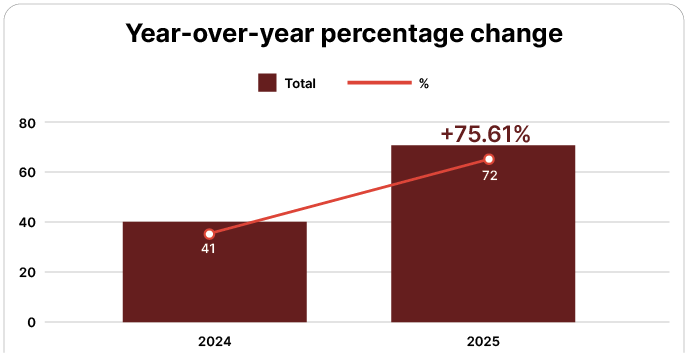
In 2025, not only did Bitcoin (BTC) shatter its all-time high during a relentless bull run, but the number of crypto wrench attacks also surged by a staggering 75%, hitting 72 reported cases and resulting in $40.9M stolen worldwide, according to CertiK.
A disturbing incident occurred in France just days ago, when a couple lost $1M in Bitcoin to impostors.
Today 3 men posing as police forced a French couple to send €900,000 in Bitcoin
– Le Chesnay-Rocquencourt – Versailles, France
a 59 year old woman opens the door
– three men are outside – they say they are police
This article delves into the details of that case and discusses why bull markets promote such crimes, and practical methods to protect your holdings.
Couple Forced to Transfer $1M in Bitcoin During Armed Home Invasion Near Versailles
The incident happened on March 9, 2026, in Northern France, close to Versailles. A couple in their late 50s received a visit to their home by three men acting as police officers. The invaders, armed with knives, overpowered the woman once she opened the door. By being restrained and threatened, the husband was forced to send over 900,000 euros ($1M) in BTC to the thieves’ wallet. When the attackers escaped, the police launched an investigation into armed theft and sequestration, linking it to previous events like as a recent attempt on an executive at Binance France. This is consistent with France’s 2025 projection of 19 wrench assaults, with Europe now contributing for 40% of global events, increasing 75% from 2024.
How Wrench Attacks Are Executed by Crypto Scammers
A wrench attack, often known as a “5 wrench attack,” bypasses digital security measures by forcing victims into giving up their tokens or access by physical force or threats. The phrase originates from a 2009 XKCD comic that shows how basic coercion, such as terrorizing someone with a cheap tool until they give passwords or keys, may defeat even robust encryption.
In practice, attackers use methods including assaults, kidnappings, and home invasions to compel the handover of seed phrases, private keys, or direct wallet unlocks. During bull markets, when holdings increase in value, high-net-worth individuals or executives are frequently scouted through social media or data breaches. Unlike hacks, recovery is difficult because blockchain is irreversible, making prevention critical.
Do Bitcoin Bull Runs Lead to More Crime?
Market researchers have seen an alarming trend: green candles are typically followed by physical violence. For organized crime groups, the price of Bitcoin serves as a lighthouse as it hits its highs.
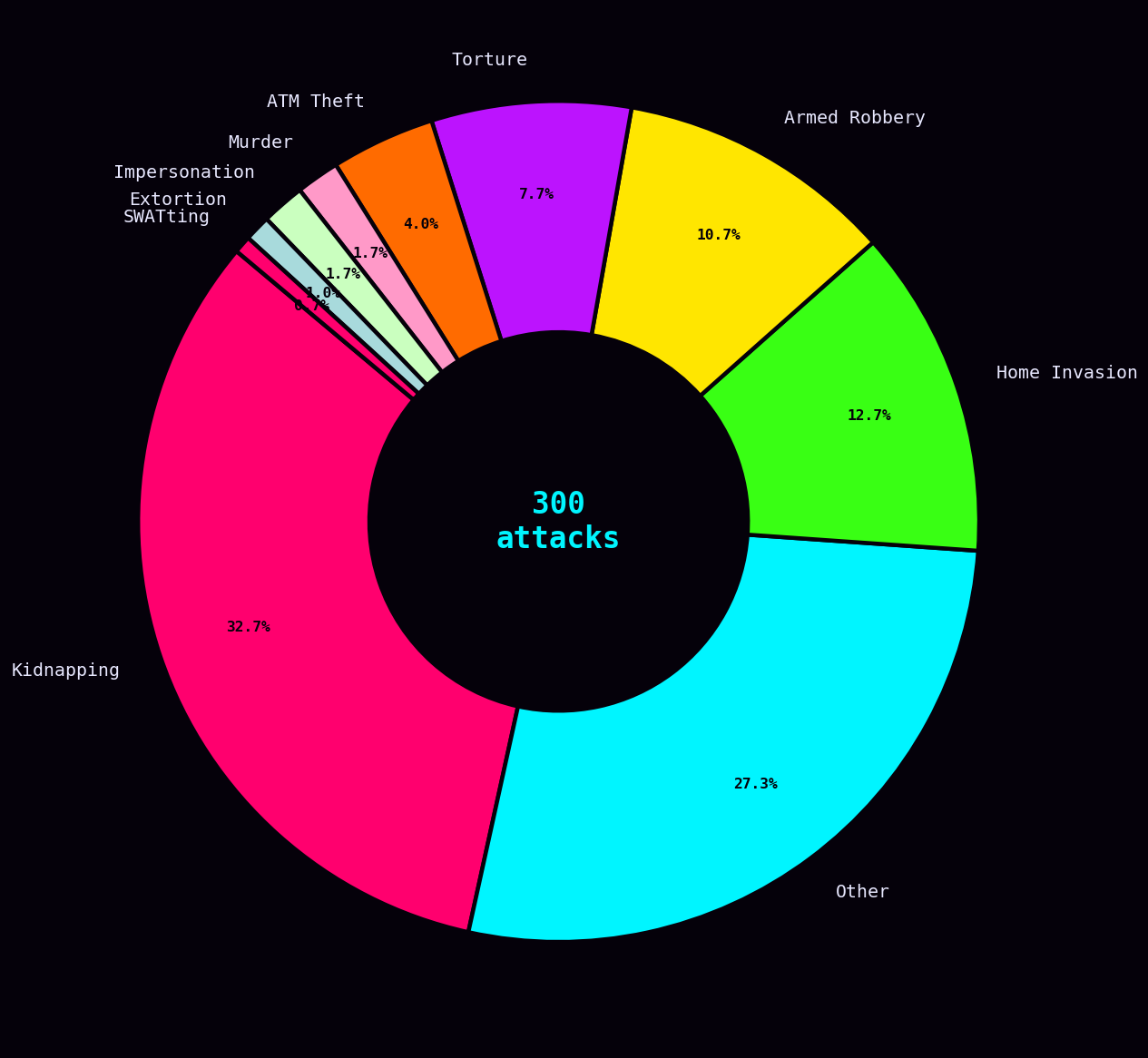
Historical patterns show rises in 2021-2022 and 2024-2025, with more than 300 instances reported in 15 countries during the last decade. France’s attack growth can be linked to mass crypto adoption and regulatory oversight, which unintentionally exposes user data.
Types of physical Bitcoin attacks. | Credit: CCN.com
As the value of Bitcoin climbs, so does the incentive for low-skill crimes like wrench attacks, which are considerably easier than digital hacking. Criminals understand that digital assets are easier to transport and launder than physical gold or stolen artwork, provided they can get the victim to unlock the phone or hardware wallet.
How to Protect Your Life and Your Ledger
How can an investor defend against someone standing in their living room? The first line of defense is Operational Security, or OpSec. Staying safe starts with discretion: avoid publicizing your holdings on social media, public bases or at events. The following technical precautions can be taken into consideration:
Multi-signature (Multi-Sig) wallets: Make use of a configuration that requires authorization of a transaction by two or more distinct hardware devices. The device can be stored in a secure, off-site location, such as a bank safety deposit box.
Duress passphrases: Many hardware wallets allow you to set up a secondary “dummy” account with a small amount of crypto. If forced to unlock your wallet, you can enter the duress PIN to show a much smaller balance.
Timelocks: Use protocols that block funds from being moved for a certain length of time (e.g., 24 hours) after a transaction is initiated, making a quick “smash and grab” unfeasible.
Securing the Future of Personal Sovereignty
The Le Chesnay-Rocquencourt tragedy serves as a sad reminder that personal security is a responsibility that comes with being your own bank. Although blockchain’s decentralized nature isolates users from middlemen, it also removes the safeguards offered by traditional financial institutions.
Eventually, as digital assets become a larger portion of global wealth, the tactics used to take them will shift from digital phishing to physical coercion. Investors have to shift their focus from only safeguarding against “hackers” to protecting against “attackers.”
A wrench attack is a physical coercion method where criminals use threats or violence to force crypto holders to transfer assets.
Why do crypto crimes increase during bull markets?
As publicity exposes targets, higher prices raise the perceived value of holdings, attracting more criminals.
Can police recover stolen Bitcoin?
Yes, police can potentially recover crypto using blockchain analysis, but their success hinges on prompt reporting and international cooperation.
What's the best wallet for security?
Hardware wallets keep keys offline, making them resistant to both digital and physical quick grabs.
Are wrench attacks common in the US?
They occur but less frequently than in Europe; 2025 saw global spikes, with the US reporting fewer than France.
Disclaimer:
The information provided in this article is for informational purposes only. It is not intended to be, nor should it be construed as, financial advice. We do not make any warranties regarding the completeness, reliability, or accuracy of this information. All investments involve risk, and past performance does not guarantee future results. We recommend consulting a financial advisor before making any investment decisions.
Curious about how technology and crypto reshape global finance, Elizaveta Savenko explores blockchain, AI, decentralized systems, their applications, and regulatory requirements. She contributes to research, educational initiatives, and industry collaborations, examining trends in digital assets and fintech innovation, increasing awareness of the crypto space and its impact on financial systems.


 Easy
Easy