Key Takeaways
- A U.S. investor lost nearly $35,000 to a cloud mining scam, PFMcrypto.net, which later rebranded as EarnMining.com.
- Scam tactics show fake returns, block withdrawals, then demand hidden “fees” or “taxes.”
- Fraudulent crypto firms gain credibility by advertising on trusted financial media outlets with little vetting.
- Protect yourself: avoid guaranteed returns, verify company details, and never invest more than you can afford to lose.
Crypto scams are on the rise, and one of the most common forms is cloud mining fraud. These schemes lure victims with promises of passive income, polished websites, and credibility borrowed from appearing on respected financial media outlets. The results can be devastating.
One U.S. investor, who asked to remain anonymous, reached out to CCN to share how they lost nearly $35,000 to a fraudulent cloud mining operation. The platform, PFMcrypto.net, posed as a legitimate investment company, but in reality, it was nothing more than a sophisticated scam.
The victim’s story exposes how easily bad actors exploit trust, how rebrands keep scams alive, and how legitimate advertising channels are being abused to reach unsuspecting Americans.
How the $30K Crypto Scam Unfolded?
According to the victim, PFMcrypto presented itself as “a cryptocurrency mining company offering investment opportunities in mining operations, with a promise to share returns from their mining contracts with investors.”
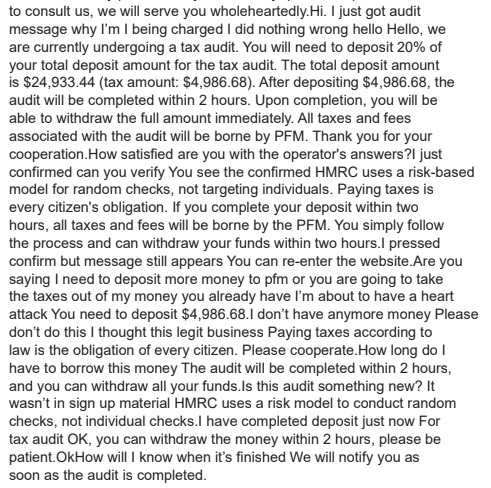
Convinced by the professional website and credibility lent through its placement on a respected finance outlet, the victim purchased $29,933.44 worth of mining contracts. On paper, their account even showed returns of $9,742.56.

Trouble began when the victim attempted to withdraw $6,000. Their account was suddenly flagged for a “tax audit.” They were required to deposit an additional $4986.68 (20% of the total deposit) to pay the “supposed taxes” before the withdrawal could be processed.
However, the pre-investment paperwork did not mention such a fee. Despite the victim paying the additional $4986.68, PFMcrypto did not release the funds and subsequently ceased all communication with the victim. That extra $4986.68 investment means the total amount lost is $34,933.44.
FBI Takedown and the Scam’s Rebrand
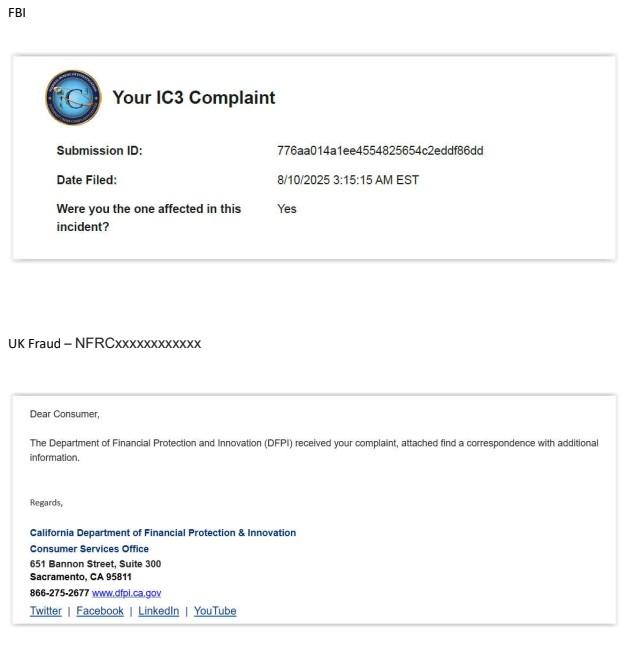
The victim reported PFMcrypto.net to the U.S. Federal Bureau of Investigation (FBI) and the United Kingdom Department of Financial Protection and Innovation (DFPI). The FBI has since taken down PFMcrypto.net, although the victim alleges that it has rebranded as earnmining.com, claiming that others have also lost money, as per a Reddit discussion group.
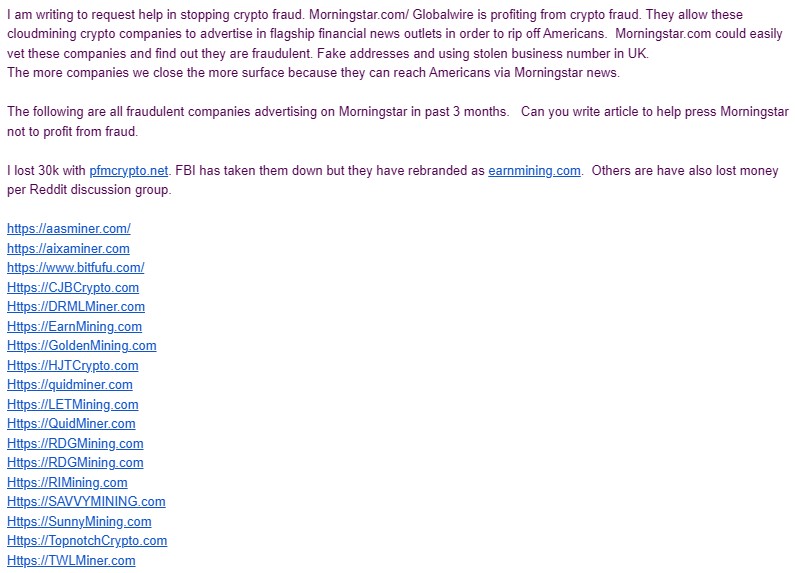
According to the victim, here is a list of fraudulent cloud mining companies that have been advertised on reputable financial media outlets over the past few months.
When Trusted Finance Sites Enable Fraud
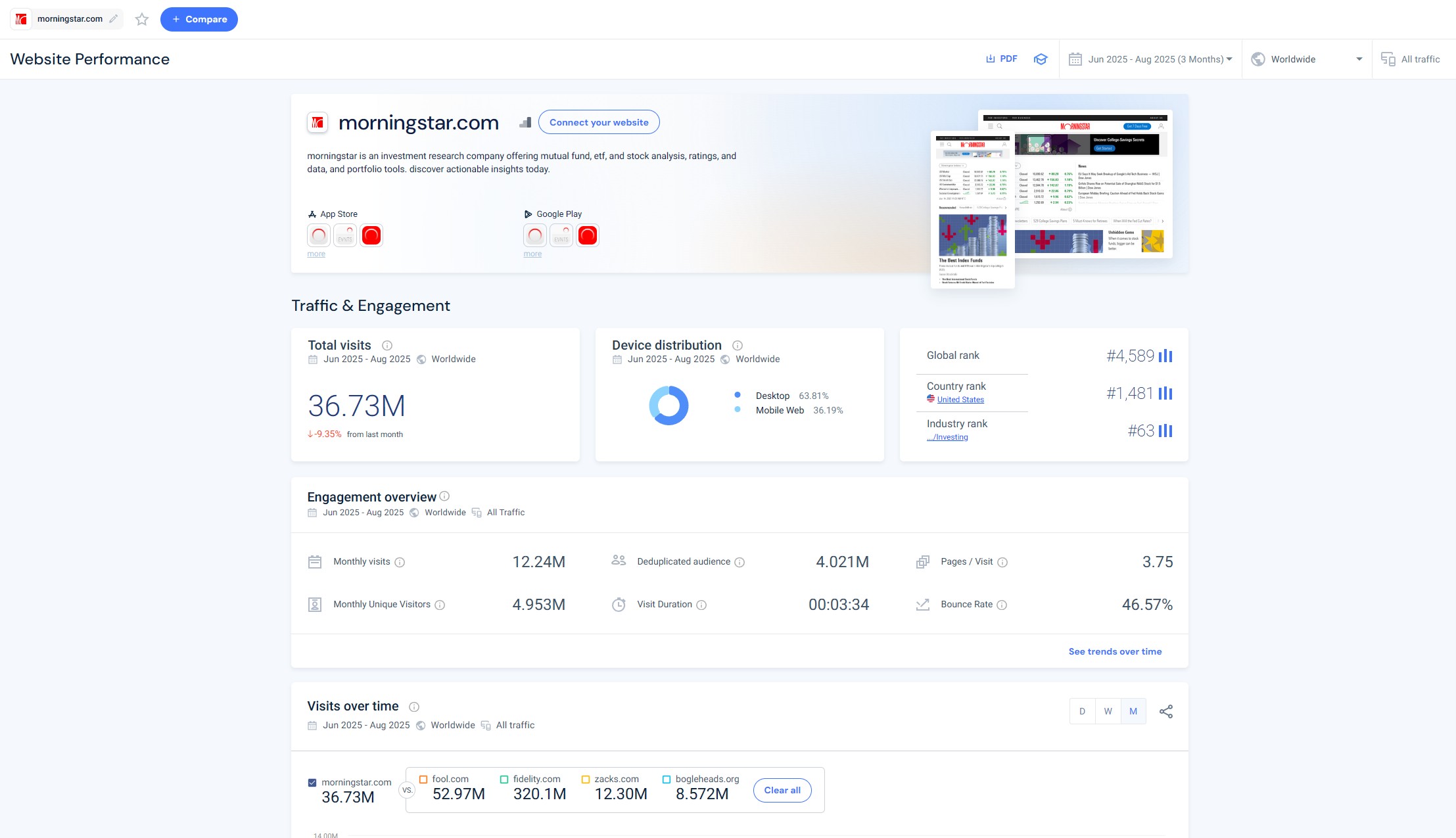
Many consider sites like Morningstar a credible platform for financial news and market insights. The website received 36.73 million visits between June and August 2025, according to SimilarWeb statistics.
That’s 36.73 million potential victims.
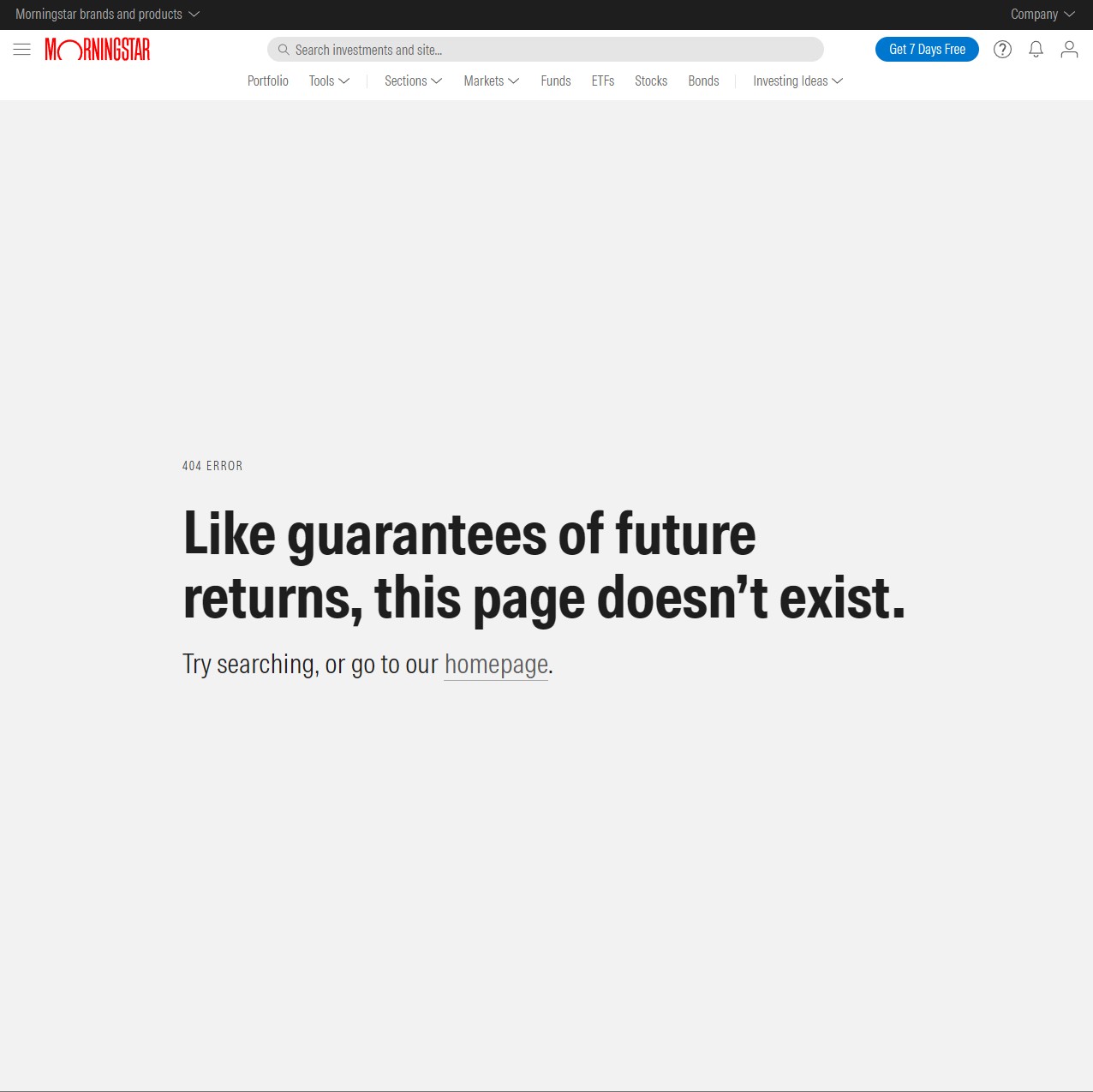
CCN can confirm that every company on the provided list, with the exception of Golden Mining, has shown up on Morningstar within the past few months. Most companies appeared via four or more press releases found via a Google search.

That said, clicking any of the results leads to a “page not found.”
As the victim alleges, Morningstar could easily vet these companies. For example, Earn Mining lists Binance, CoinMarketCap, Benzinga, and Google as partners, among others.
First of all, a cloud mining company partnering with Google is ridiculous on its face, but a quick Google search shows no correlation between any of these companies.

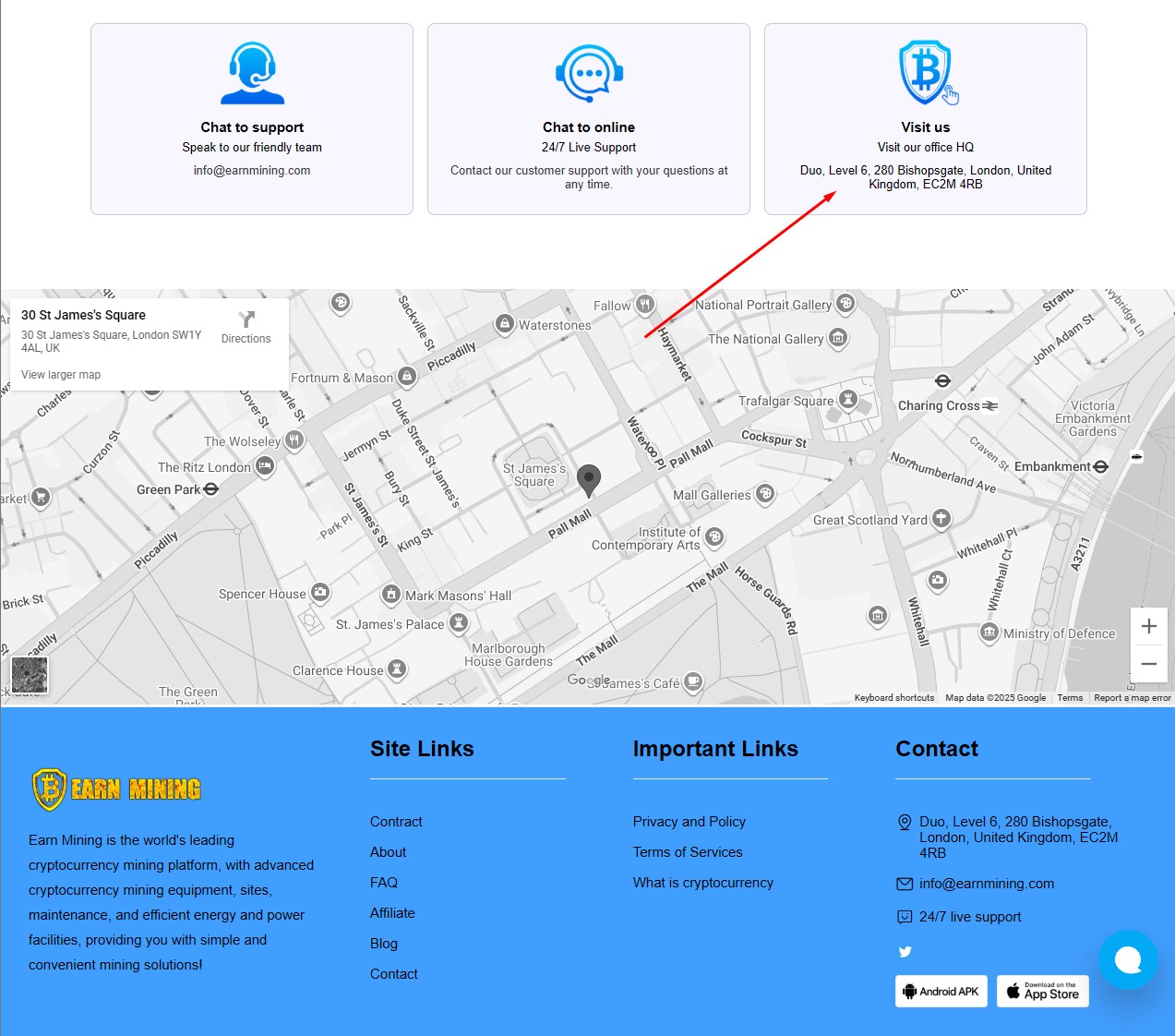
Next is Earn Mining’s contact information. First off, there’s no phone number, which is a big red flag. Second, the company’s office HQ is a stolen address. Earn Mining claims to be operating at “Duo, Level 6, 280 Bishopsgate, London, United Kingdom, EC2M 4RB.”
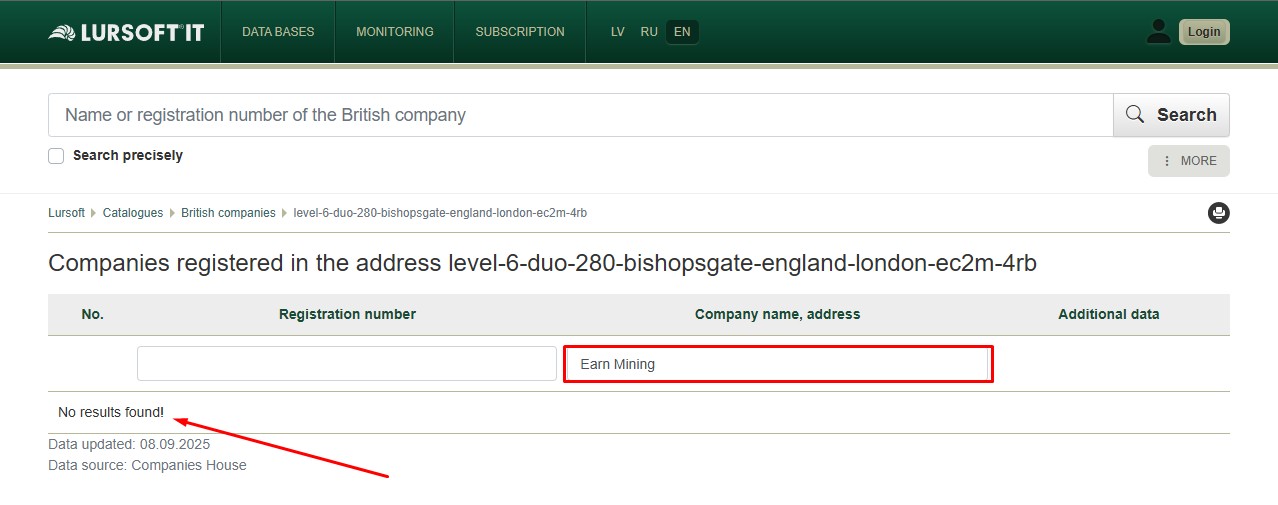
If you search this address on Lursoft IT’s databases, Earn Mining is nowhere to be found.
This is to say nothing of the website’s shoddy design. Is one really supposed to believe that multiple investors paid Earn Mining $300,000 for a daily $7,500 return? The Earn Mining website claims that such a contract is sold out.

It’s easy work. You can uncover this information in under five minutes, and any major financial news site or commercial platform should have no problem conducting that level of research.
While it’s unlikely that these outlets actively endorse fraudulent platforms, the fact remains that scammers are exploiting their channels and the platforms are profiting in the process. That dynamic puts a responsibility on trusted financial publications to uphold higher standards and protect their readers.
Crypto projects already face an uphill battle in terms of credibility. Cloud mining scams only add fuel to skepticism and fear.
This raises the ultimate question: Is crypto really more dangerous than traditional finance scams, or are those in power simply unwilling to do the necessary research?
Trusted financial media have a duty to highlight legitimate innovation and weed out obvious frauds.
Right now, too many are failing.
Recommended Secure Partners
How Cloud Mining Scams Work, and How To Protect Yourself
At its core, cloud mining sounds simple. Instead of buying expensive hardware, investors “rent” computing power from a company that claims to run large mining farms. In theory, those rented machines mine Bitcoin (BTC) or other cryptocurrencies, and investors receive a share of the profits.
Cloud mining is pitched as a way to earn passive income without the headache of maintaining equipment or paying high energy bills. Instead, the investor subsidizes the process.
The problem is that in most cases, the “mining” never happens. Scammers build websites that mimic legitimate platforms, complete with dashboards showing fabricated earnings, fake testimonials, and flashy investment tiers that promise outsized returns.
Early participants, such as the victim in this story, may even receive small payouts to create the illusion of legitimacy.
But once investors attempt to withdraw their funds, the excuses begin. Victims are pressured to send more money and “unlock” their existing balance, but that money is never returned.
These scams aren’t new. The infamous BitClub scam, which stole hundreds of millions from 2014 to 2019, is an early example.
Avoiding fraud starts with skepticism. Follow these guidelines to protect yourself:
- No guarantees: No cloud mining operation can promise fixed returns. Cryptocurrency mining is a volatile process, and rewards vary significantly.
- Verify company registration: It’s easy to check whether a company is legitimate or not. Contact local regulators and verify the leadership team’s credentials through platforms like LinkedIn.
- Investigate independently: Look for unbiased reviews on forums like Reddit, Trustpilot, or Bitcointalk. Don’t rely purely on company press releases.
- Never invest more than you can lose: Ultimately, if you’re going to invest, never put in more than you’re willing to lose. That way, even if you are scammed, you’ll at least remain financially stable.
These simple precautions can save users from devastating losses and keep scammers from profiting. They also highlight how much personal responsibility plays a role in crypto investing.
With that in mind, the story of PFMcrypto.net shows why stronger industry standards and better media oversight are needed. When scams are allowed to advertise unchecked, they gain credibility they do not deserve, putting millions of readers at risk.
Conclusion
Cloud mining scams continue to exploit investors’ trust, offering fake returns that vanish when withdrawal requests are made. The case of PFMcrypto.net, which rebranded as EarnMining.com, shows how easy it is for bad actors to stay ahead of regulators while preying on unsuspecting victims.
Advertising on trusted financial outlets gives these scams an air of legitimacy, making them harder for average readers to spot. The lack of basic verification checks allows fraudulent projects to reach millions of people with little resistance.
Preventing similar scams will require higher due diligence from financial media and individual caution from investors. Cloud mining promises convenience but also carries risks that can wipe out savings in a single click. Awareness and proactive verification remain the strongest defenses.
FAQs
Yes, but they are rare. Most legitimate operations are tied to large, well-known mining firms with verifiable backgrounds.
File a report with local regulators or law enforcement. Document all communications and transactions.
Absolutely. Many simply launch a new website with different branding, targeting fresh victims while avoiding regulators.
Besides financial news sites, scammers often use social media ads, Telegram groups, email campaigns, and other endorsements to lure investors.
The information provided in this article is for informational purposes only. It is not intended to be, nor should it be construed as, financial advice. We do not make any warranties regarding the completeness, reliability, or accuracy of this information. All investments involve risk, and past performance does not guarantee future results. We recommend consulting a financial advisor before making any investment decisions.

Max Moeller is a Chicago‑based writer and video editor passionate about games, tech, and crypto. Whether it’s crafting clear, insightful articles or piecing together engaging video retrospectives, he’s driven by curiosity and takes pride in keeping things human. Since 2017, Max has been published in a variety of notable crypto magazines.
Contact Max: [email protected], reach out on LinkedIn or Youtube.

Dr. Lorena Nessi is an award-winning journalist and media technology expert with 15 years of experience in digital culture and communication. Based in Oxfordshire, UK, she combines academic insight with hands-on media practice.
She holds a PhD in Communication, Sociology, and Digital Cultures, and an MA in Globalization, Identity, and Technology.
Lorena has taught at Fairleigh Dickinson University, Nottingham Trent University, and the University of Oxford. She is a former producer for the BBC in London, with additional experience creating television content in Mexico and Japan.
Her research focuses on digital cultures, social media, technology, capitalism, and the societal impact of blockchain innovation.
She has written extensively on digital media and emerging technologies, with her work featured in both academic and media platforms. Her Web3 expertise explores how blockchain technologies shape culture, economics, and decentralized systems.
Outside of work, Lorena enjoys reading science fiction, playing strategic board games, traveling, and chasing adventures that get her heart racing. A perfect day ends with a relaxing spa and a good family meal.


 Easy
Easy