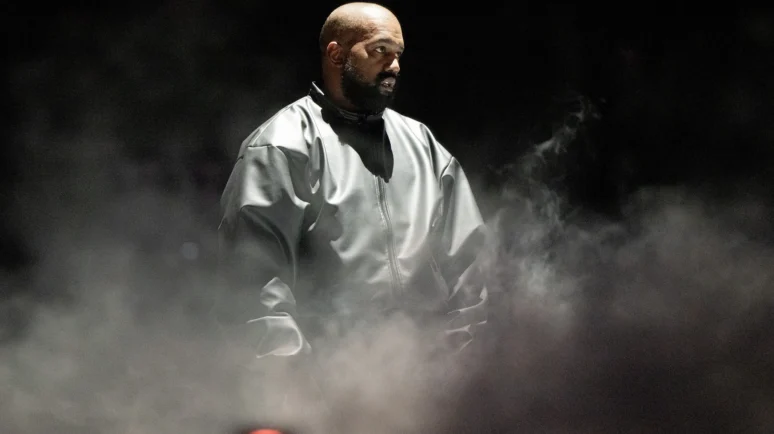
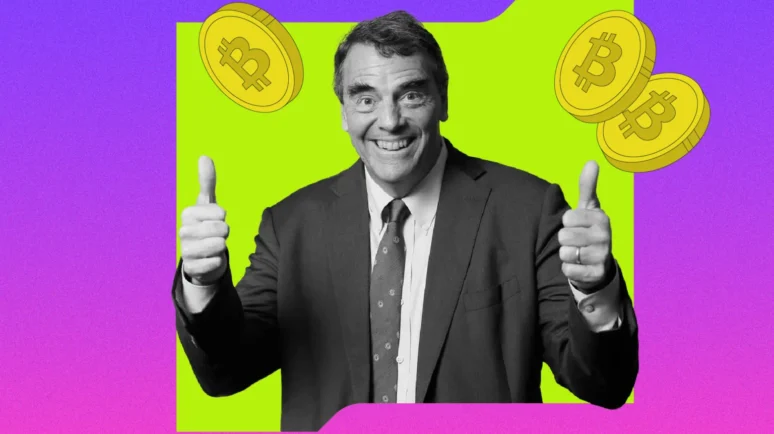
A $3.9 million ETH deposit raises questions over Kanye West’s alleged wallet connection as Tom Lee forecasts Ethereum above $5,000 in 2026. | Credit: Getty Images.
Share
Key Takeaways
A wallet tracked as Wanyewest69 reportedly sent 1,445 ETH, worth about $3.9 million, to Binance on Sept. 29.
Several reports identified the wallet as Kanye West’s, but the available evidence points to a trader using the name Wanye kest.
Tom Lee has predicted Ethereum will hit $5,000 in 2026.
A $3.9 million Ethereum transfer has been attributed to Kanye West, just as Tom Lee predicts Ethereum’s price could climb well above $5,000 before the end of the year.
However, the celebrity connection appears to actually rest on a similar-sounding name: Wanye kest.
On-chain analyst Ai Yi flagged a Sept. 29 transfer of approximately 1,445 ETH from Aave to Binance, worth about $3.91 million at the time, describing it as the address’s first exchange deposit in roughly 11 months.
TheStreet and other outlets subsequently linked the wallet to Kanye West, also known as Ye, but CCN has not found independent evidence that the rapper controls the address.
Try Our Recommended Crypto Exchanges
Sponsored
Disclosure
We sometimes use affiliate links in our content, when clicking on those we might receive a commission at no extra cost to you. By using this website you agree to our terms and conditions and privacy policy.
Based on the sources available, CCN cannot verify any connection between this wallet and Ye.
West’s involvement in crypto is documented elsewhere, although his public position has changed considerably.
In February 2025, he said he had rejected a $2 million offer to promote a fraudulent token, claiming he had been approached to “scam my community.”
Around the same time, he publicly sought a connection to Coinbase chief Brian Armstrong before declaring:
“IM NOT DOING A COIN,” arguing that tokens “PREY ON THE FANS WITH HYPE.”
Kanye promoted a Solana coin last year. | X (@kanyewest)
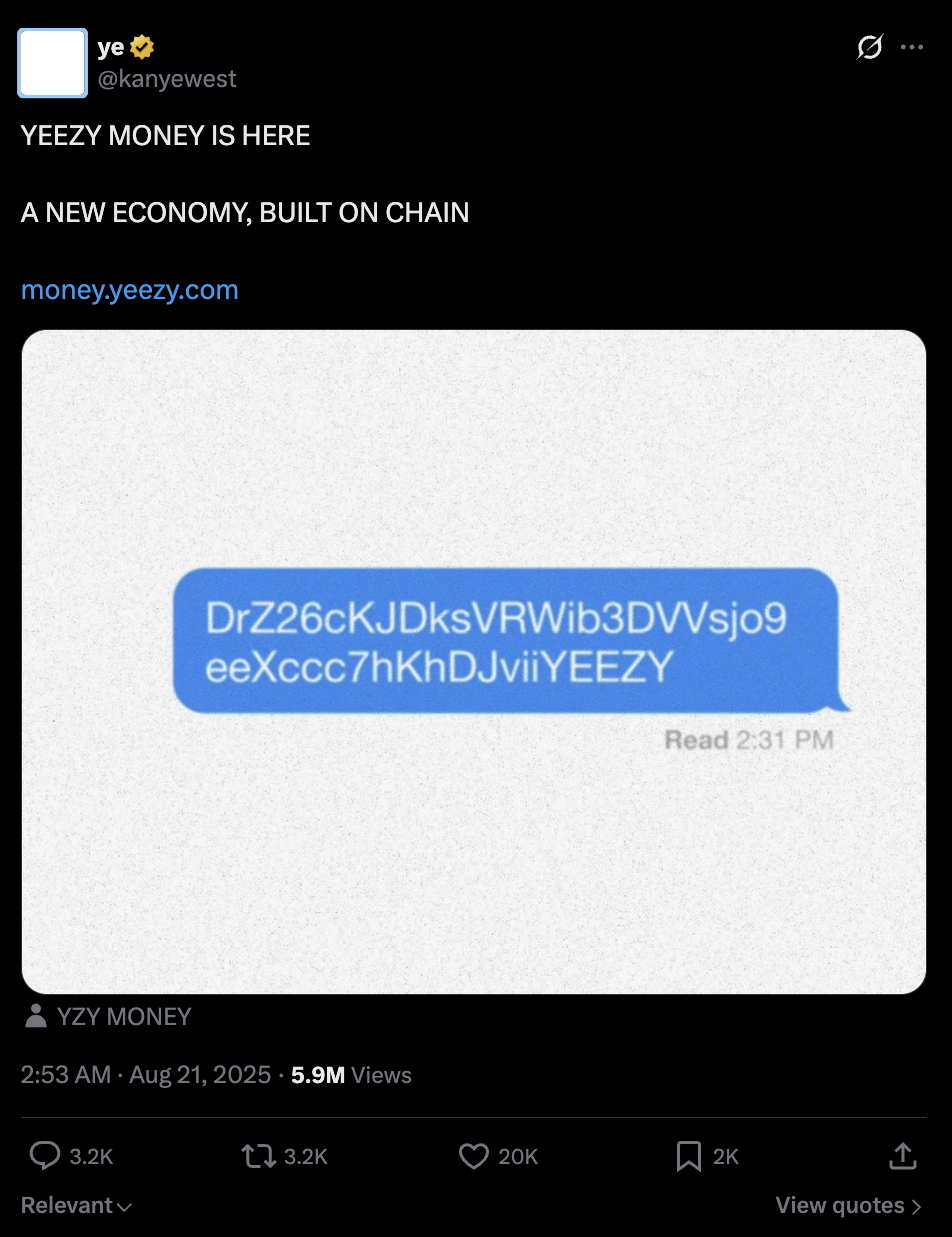
By August 2025, he had reversed course and promoted the launch of YZY, a Solana-based token associated with his Yeezy brand.
The project presented it as part of a broader YZY Money ecosystem, with plans for a payment processor and a card that would allow users to spend YZY and USDC.
A $3.9M Binance Deposit Meets Tom Lee’s $5K Ethereum Call
The wallet’s owner first withdrew ETH from Aave, a decentralized lending platform where users can supply crypto to earn interest, and then transferred approximately 1,445 ETH to Binance.
That shifted the funds from a lending position into an exchange account, where the owner could sell, swap, or continue holding them.
The blockchain shows the deposit, but it does not reveal what happened inside Binance afterward.
The move came days after Lee delivered another bullish Ethereum forecast in a Coinage interview, predicting $3,000 in the near term and “well above $5,000” before the end of 2026.
At $5,000 per ETH, the transferred 1,445 ETH would be worth $7.225 million — approximately $3.32 million more than its reported value when it reached Binance.
In the same interview, he argued that a breakout comparable to Ethereum’s earlier market cycles could take Ethereum’s price toward $60,000 within a couple of years.
Disclaimer:
The information provided in this article is for informational purposes only. It is not intended to be, nor should it be construed as, financial advice. We do not make any warranties regarding the completeness, reliability, or accuracy of this information. All investments involve risk, and past performance does not guarantee future results. We recommend consulting a financial advisor before making any investment decisions.
Kurt Robson is a London-based reporter at CCN, specialising in the fast-moving worlds of crypto and emerging technology. He began his career covering local news in Cornwall after graduating from Falmouth University with First Class Honours in Journalism. There, he cut his teeth on everything from council meetings to missing swans.
He quickly rose through the ranks to become a frontline journalist at several of the UK’s leading national newspapers. Over the years, he has interviewed musicians and celebrities, reported from courtrooms and crime scenes, and secured multiple front-page exclusives.
Following the upheaval of the COVID-19 pandemic, Kurt shifted his focus to technology journalism—just ahead of the AI boom. With a natural curiosity and a trained eye for emerging trends, he has found a new rhythm in reporting on innovation.
At CCN, Kurt's work focuses on the cutting edge of crypto, blockchain, AI, and the evolving digital world. Drawing on his background in people-first reporting and his deep interest in disruptive tech, Kurt delivers stories that are insightful, entertaining, and human-centric.











 Kanye West Blames Instagram Hack for Memecoin Scam, Industry Not Convinced As ‘Real’ YZY Token Crashes