Key Takeaways
- Bitcoin Depot filed for Chapter 11 on May 18 to wind down operations and sell assets.
- The company said its Bitcoin ATM network is offline.
- The filing follows falling revenue, litigation costs and regulatory pressure.
- Crypto ATMs now face a harder business case as fraud concerns and compliance costs rise.
Bitcoin Depot has filed for Chapter 11, turning one of crypto’s most recognizable retail brands into the latest bankruptcy story in the industry.
The company announced on May 18 that it had entered voluntary Chapter 11 proceedings in the US Bankruptcy Court for the Southern District of Texas.
As part of the process, Bitcoin Depot plans to wind down operations and explore a sale of its assets.
Its Bitcoin ATM network has already gone offline, while its Canadian and other international entities are also expected to restructure or shut down.
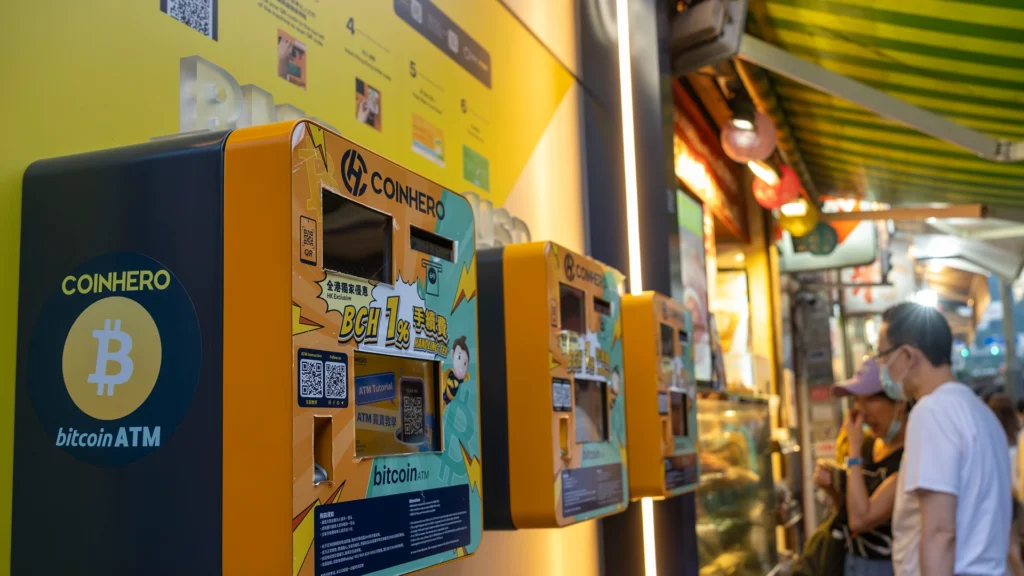
The collapse marks a dramatic fall for a company that once embodied one of crypto’s simplest retail promises: cash in, Bitcoin out, through kiosks placed in everyday retail spaces.
Over time, that massive ATM network became harder to sustain.
Fraud concerns, rising compliance costs, legal pressure, and slowing demand gradually turned one of crypto’s most visible retail businesses into a company fighting for survival.
Bitcoin Depot Enters Chapter 11
Bitcoin Depot, which trades on Nasdaq under the ticker BTM, described the filing as an “orderly wind-down” accompanied by a process to sell its assets.
But the message behind the corporate language is clear: the company is preparing to shut down and sell what’s left of the business.
The timing reflects growing pressure across the crypto ATM industry.
For years, operators pitched Bitcoin kiosks as one of the easiest ways for everyday users to buy crypto with cash.
But that business model relies heavily on high transaction fees, physical retail partnerships, customer trust, and continued regulatory approval.
All of which have become harder to maintain as scrutiny around fraud and scams intensifies.
Bitcoin Depot had already signaled that the business was struggling.
In a May 12 filing with the SEC, the company reported that first-quarter revenue fell $80.7 million year over year, a drop of nearly 50%.
The company also swung to a net loss of $9.5 million after posting $12.2 million in net income during the same period a year earlier.
Bitcoin Depot blamed the decline on weaker transaction volumes, tighter regulations, rising compliance requirements, and growing litigation costs.
Scam Allegations Put The Model Under Pressure
In February, Massachusetts Attorney General Andrea Campbell sued Bitcoin Depot, accusing the company of helping facilitate crypto scams targeting consumers across the state.
According to the attorney general’s office, data gathered during the investigation showed that more than half of the revenue generated by Bitcoin Depot kiosks in Massachusetts was tied to scam-related transactions.
Local reports also said consumers in the state lost more than $10 million through alleged scams connected to the machines.
The allegations highlight one of the biggest problems facing the crypto ATM industry.
For legitimate users, the kiosks offer fast, simple access to crypto with cash.
But that same speed and convenience can also make them attractive tools for scammers, who often pressure victims into sending money before they fully understand what’s happening.
That shift has started to change how regulators view crypto ATMs altogether.
What once looked like a visible sign of mainstream crypto adoption is now increasingly being treated by state officials as a consumer-protection and fraud risk sitting inside everyday retail stores.
The Retail Access Story Has Changed
Bitcoin Depot’s bankruptcy also shows how much crypto access has changed.
Crypto ATMs grew when buying Bitcoin still felt difficult for casual users.
Today, exchanges, fintech apps, brokerages, ETFs and payment platforms offer cleaner on-ramps.
Those channels carry their own risks, though regulators can monitor them more easily than scattered kiosks.
Crypto ATMs still serve a niche.
They can be useful for cash-heavy customers and people who prefer physical access points.
Bitcoin Depot’s collapse weakens one of the sector’s clearest retail-adoption stories.
The economics are rough.
Operators need host locations, machine maintenance, liquidity management, customer support, compliance systems, scam monitoring and money-transmission controls.
Each new fraud case raises the cost of staying open. Each new state action adds another layer of legal risk.
That leaves the sector with a narrower path. Crypto ATM companies can survive only if they convince regulators that kiosks are not soft targets for scams.
That means stronger warnings, tighter transaction limits, more aggressive fraud detection and slower customer flows.
Those protections may also reduce the convenience that made the machines attractive in the first place.
Speaking to CCN on crypto ATMs, Roshan Dharia, CEO of Echo Base, shared:
“Bitcoin Depot’s bankruptcy is likely a preview of what the broader crypto ATM industry will face in the United States over the next several years. The traditional model relied on high transaction spreads and limited regulatory scrutiny to offset unusually high compliance, cash logistics, fraud remediation, and retail revenue-sharing costs. That equation is breaking down as states increasingly impose consumer protection standards that compress fees, expand operator liability for scam-related activity, and raise expectations around transaction monitoring and reimbursement. The result is that many crypto ATM operators may no longer be able to generate sufficient margin to support a nationwide network at scale.”
Crypto ATMs Face A Reckoning
Bitcoin Depot’s Chapter 11 filing leaves crypto ATMs standing, but their easy-growth phase looks over.
The industry built its early pitch around physical access and retail familiarity.
Now operators face a stricter test: fraud controls, consumer protection, transaction monitoring and compliance standards closer to those applied across the rest of crypto finance.
Bitcoin Depot entered the public market as one of the most recognizable names in crypto kiosks.
Less than three years later, its network is offline, and its assets are headed for sale.
Bitcoin reached the corner store. Keeping it there now looks much harder.
Visit Our Secure Partners

PhD, researcher and writer exploring AI, blockchain, and the philosophy of tech, with a focus on DeScAI, governance, and trust.