Key Takeaways
- After years of dominating the AI market, OpenAI faces rising competition from startups.
- OpenAI is offering students two months of ChatGPT Plus for free.
- The company also plans to release an open-weight model.
OpenAI has responded to growing competition from free and open-source alternatives to ChatGPT.
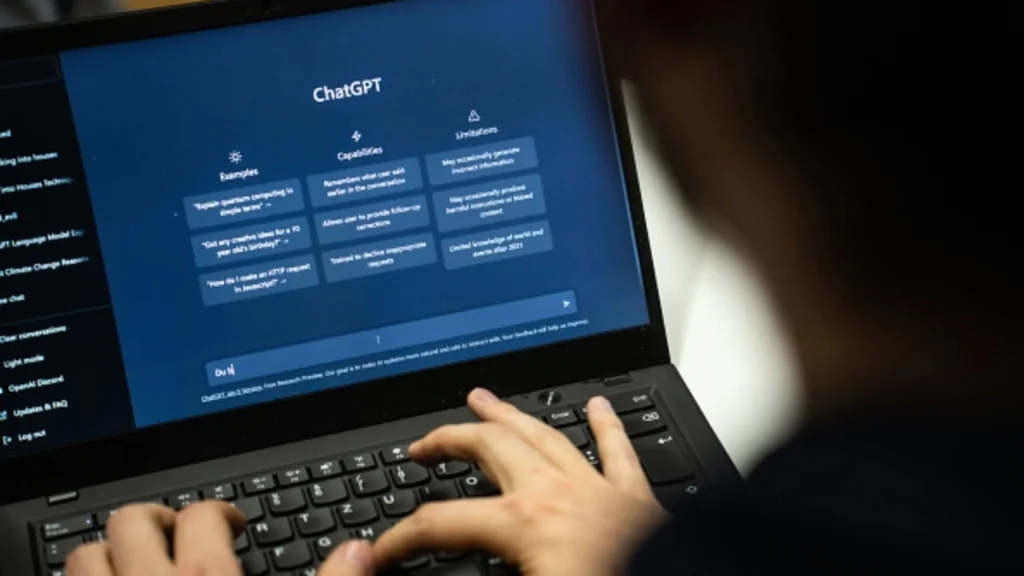
In recent announcements, the company said it would offer students two months of premium ChatGPT Plus membership for free and plans to release its first open-weight model since GPT-2.
ChatGPT Student Offer
In 2025, chatbots are viewed as a near-essential tool for students, helping them research, plan projects, write papers and revise for exams.
For many tasks, the free version of ChatGPT is adequate. But frequent users will quickly use up their monthly token allocation, and for more advanced features like Deep Research, a subscription is necessary.
However, at $20 per month, a ChatGPT Plus subscription is a luxury many cash-strapped students can’t afford, especially when rival platforms offer similar services for free.
In a post on Thursday, April 3, Sam Altman said OpenAI would offer students at degree-granting schools in the United States and Canada two months of free ChatGPT Plus.
AI Firms Cater to Students
OpenAI’s latest offer reflects a tried-and-tested strategy for attracting new users who may become loyal customers.
The approach is especially popular among subscription model businesses. For example, Microsoft grants students free Office 365 and Adobe’s student plans offer a 71% discount on all Creative Cloud apps.
As AI has emerged as a key digital service for students, platform developers have also moved to cater to the demographic.
The same week OpenAI launched its student deal, Anthropic released “Claude for Education,” a specialized version of its chatbot that deploys Socratic questioning to help users learn.
Anthropic’s approach addresses one of the biggest potential downsides of using AI in an educational context: the risk of rewarding knowledge shortcuts over deep understanding.
But in the current AI market, students have plenty of options to choose from.
The Rise of Open-Source AI
Open-source development is the driving force behind many free ChatGPT alternatives, including emerging Chinese platforms like DeepSeek, Manus and Zhipu.
Although Big Tech giants Meta and Alibaba helped catalyze the current open-source AI renaissance, smaller startups have made some of the most significant advancements.
With more open-source tools and models to work with, startups are less reliant on large providers like OpenAI, which only grants access to its most advanced models via the cloud.
However, the company recently announced plans to release an open weight model that developers will be able to run on their own servers.
The proposed model won’t enable the same kind of customization and configuration that fully open-source models do. But it will help OpenAI tap into a growing demand for more sovereign AI systems that let users decide what happens to their data.

James Morales is CCN’s blockchain and crypto policy reporter. He has been working in the news media since 2020, writing about topics such as payments, banking and financial technology. These days, he likes to explore the latest blockchain innovations and the evolving landscape of global crypto regulation.
With an educational background in social anthropology and media studies, James uses his platform as a journalist to explore how new technologies work, why they matter and how they might shape our future.