Key Takeaways
- Bolivia’s state energy firm, YPFB, will use cryptocurrency for energy imports amid a worsening fuel crisis.
- The country is struggling with declining gas exports and a shortage of foreign currency reserves.
- Crypto adoption in Bolivia surged in 2024, with stablecoins dominating digital asset trading.
A severe dollar shortage and fuel crisis have forced Bolivia to turn to cryptocurrency, marking a major policy shift after the country lifted its long-standing Bitcoin ban last year.
Now, the government is allowing its state energy firm to use digital assets for fuel imports as crypto adoption gains momentum in the country.
Oil Company Turns to Crypto
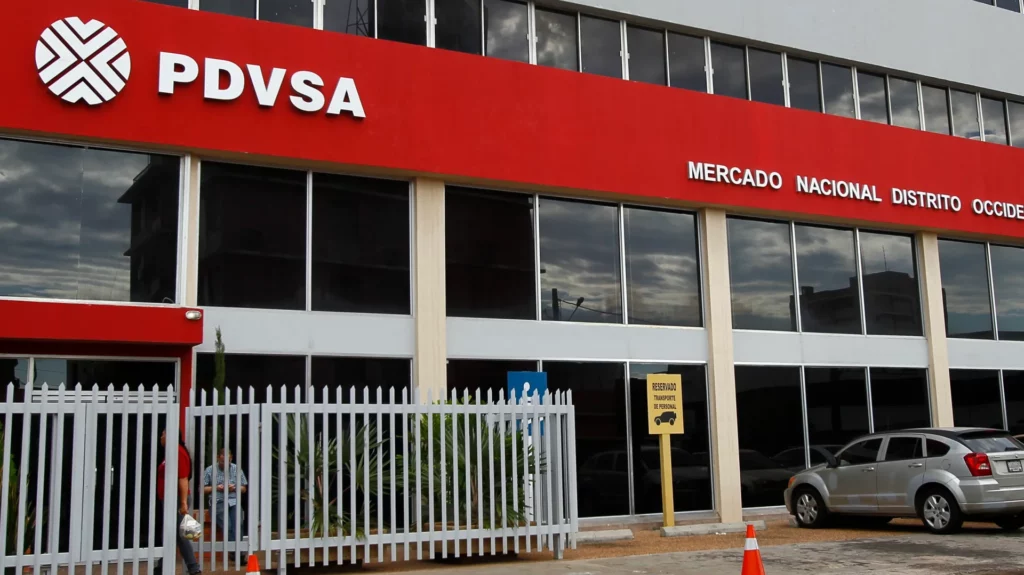
Bolivia’s state-owned energy company, Yacimientos Petrolíferos Fiscales Bolivianos (YPFB), has been authorized to use cryptocurrency for fuel imports.
A YPFB spokesperson confirmed that while no transactions have been made yet, the infrastructure is in place to facilitate crypto payments.
The move is aimed at maintaining national fuel subsidies amid dwindling gas exports and foreign currency shortages.
Bolivia, once a major energy exporter, now relies heavily on imports as domestic gas production declines due to a lack of new discoveries.
Government Expands YPFB’s Payment Options
To ease the crisis, Bolivia’s government has also authorized YPFB to purchase U.S. dollars from Banco Unión or other financial institutions.
A newly issued Supreme Decree allows the company to conduct transactions using crypto and acquire foreign currency at rates set by the Public Bank or other financial entities.
The decree was enacted after a political deadlock in the Legislative Assembly blocked $1.67 billion in loans, limiting the country’s ability to secure foreign currency for fuel imports.
Bolivia needs at least $60 million per week to meet its fuel import requirements.
YPFB must now adjust its budget to account for financial costs, which will be factored into the national fuel subsidy.
In 2024, Bolivia allocated 15.16 billion bolivianos ($2.19 billion) to subsidize fuel and additives.
Bolivia’s Stance on Digital Assets
Historically, Bolivia has been strict on crypto. In 2014, the government banned cryptocurrencies, citing risks to financial stability and concerns over illicit use. However, mounting economic pressures forced a policy shift in mid-2024.
Following the ban’s removal, crypto trading surged. Bolivia’s central bank reported a 105% increase in average monthly crypto trading between July and September 2024, reaching a total of $48.6 million in three months—surpassing the previous six months combined.
According to a Sept. 26 report from Banco Central de Bolivia (BCB), stablecoins dominated these transactions, reflecting a growing preference for digital assets as a hedge against economic uncertainty.

Giuseppe Ciccomascolo began his career as an investigative journalist in Italy, where he contributed to both local and national newspapers, focusing on various financial sectors.
Upon relocating to London, he worked as an analyst for Fitch's CapitalStructure and later as a Senior Reporter for Alliance News. In 2017, Giuseppe transitioned to covering cryptocurrency-related news, producing documentaries and articles on Bitcoin and other emerging digital currencies. He also played a pivotal role in establishing the academy for a cryptocurrency exchange website. Crypto remained his primary area of interest throughout his tenure as a writer for ThirdFloor.