When you buy, sell, or store Bitcoin and other cryptocurrencies, security should be your top priority. Using a secure exchange keeps your funds safe from hacks, scams, and fraud. Reputable platforms have strong security features such as two-factor authentication (2FA), cold storage for funds, and regular audits. If you use a shady exchange with weak security, you risk losing money due to theft, frozen accounts, or unexpected shutdowns.
Trusting an unreliable exchange can lead to serious financial loss. A secure platform protects your personal information and funds. This lowers the chances of cybercriminals stealing from you. Regulated and well-established exchanges also provide better customer support, insurance options, and clear policies.
In this guide, we’ll help you find the most secure Bitcoin and crypto exchanges so you can trade without unnecessary risks.
Key Takeaways
- Choosing a safe cryptocurrency exchange protects your funds and personal information.
- Avoid unreliable platforms by spotting red flags like low liquidity, lack of licensing, unrealistic ROI promises, weak security, and missing compliance standards.
- A secure exchange offers strong security protocols, proper regulation, cold storage, and fair trading fees.
- Researching an exchange beforehand prevents financial losses and improves your trading experience.
- Verify its reputation, security measures, and regulatory compliance before depositing funds to trade confidently and protect your assets.
Best Most Secure Bitcoin and Crypto Exchanges in 2026
Below are the best secure Bitcoin and crypto exchanges you’re likely to find.
Review of the Top Safest Bitcoin and Crypto Exchanges
Don’t register with any site until you read the short reviews of each of the safest Bitcoin and crypto exchanges listed on this page.
Why It Pays to Trust CCN
There are more than a thousand crypto trading platforms. How many of them are legitimate is anyone’s guess. Then, there’s the small matter of the countless fake BTC exchanges. It’s not always easy to tell a fraudulent site from the real thing.
This is where the CCN team comes in! Our reviewers don’t provide a surface-level overview, like so many other sites. Instead, they register and trade to give you the lowdown on the crypto exchange. Every issue they face is reported to you, the reader.
We’re determined only to feature the safest and the best crypto exchanges around.
Overview of the Best Safest (Most Secure) Bitcoin and Crypto Exchanges in 2026
| Casino |
Welcome Bonus |
Our Rating |
|
Kraken
|
Get $10 in Bitcoin when you register through a referral link from an existing member. |
4.5 |
|
Bitunix
|
Receive up to $100,000 worth of exclusive gifts for newcomers upon registration. |
4.0 |
|
ChangeNow
|
Unlock 1,500+ cryptocurrencies and seamless instant swaps in the all-in-one crypto super app ChangeNOW |
4.0 |
|
Crypto.com
|
Enjoy US$50 worth of CRO as sign-up bonus when you sign up with a referral link. |
4.0 |
|
WEEX
|
Enjoy up to 30,000 USDT Bonus when you sign up and complete tasks. Get a 10 USDT coupon when you sign up, and link your phone number and email. |
3.0 |
|
Youhodler
|
Get up to 10,000 USDT in rewards when you deposit and trade! |
4.0 |
|
BuyUcoin
|
Get Free Bitcoin everyday upto Rs2000 INR on Sign Up, Referral, Deposit & Bitcoin Trading. |
4.0 |
|
MEXC
|
Sign up: Get $10. Download app: get 5$. 10,000 USDT perk awaits. |
4.7 |
|
CEX.IO
|
Get up to 1,000 USDC on your Trading Fee Balance when you register, complete identity verification, and place your first spot trade. |
4.0 |
|
Coinbase
|
Earn $10 in Ethereum (ETH) when you stake $100 in ETH for the first time, up to $30 in rewards |
4.5 |
Disclaimer: Investing in cryptocurrencies carries significant risk. Values are highly volatile. Never invest more than you can afford to lose. This site does not provide financial advice. Act based on your own research and consult with a financial professional before making decisions. Don’t invest unless you’re prepared to lose all the money you invest.
Choosing the Safest Crypto Exchange – Red Flags to Note
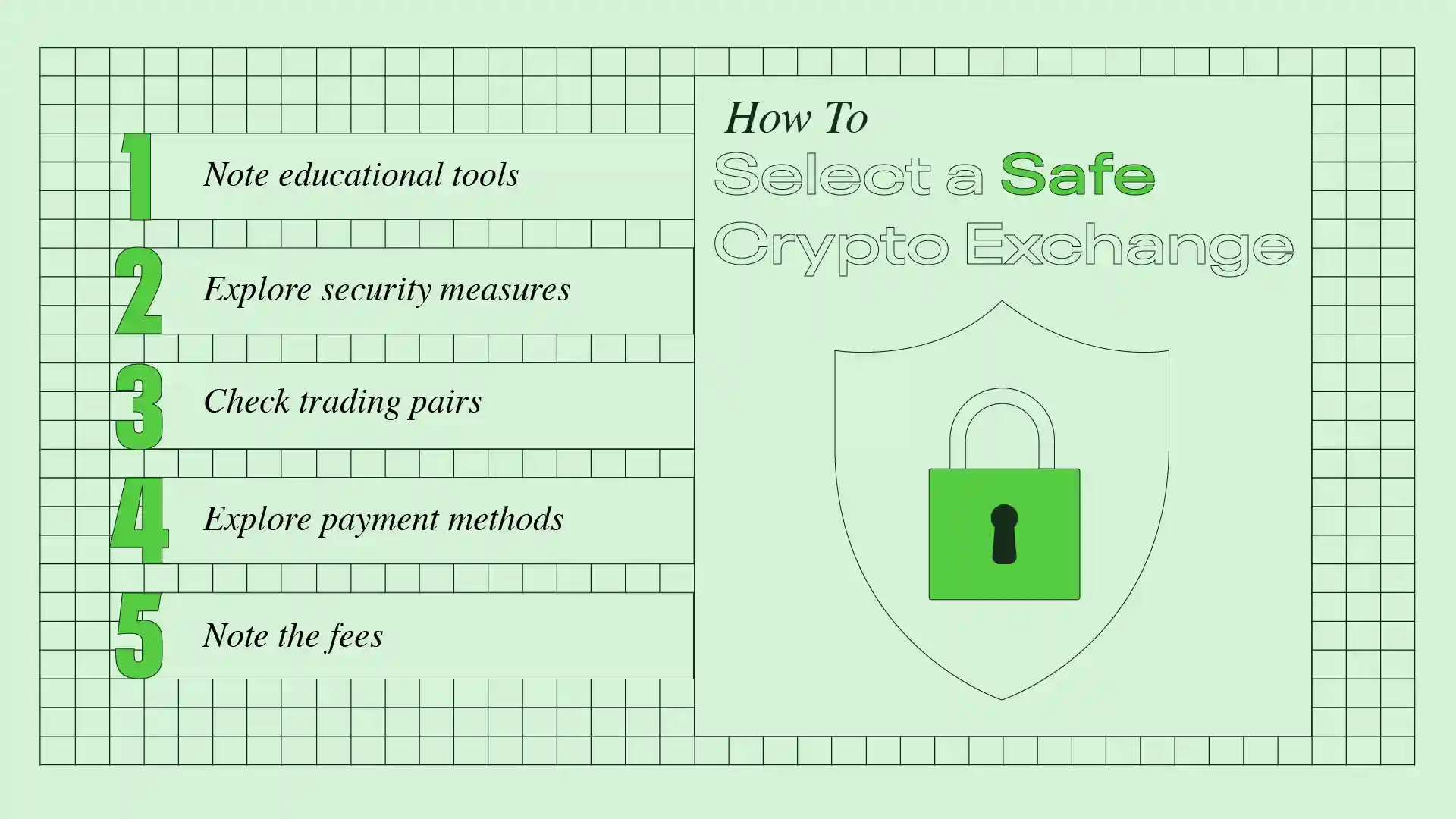
Finding a reliable cryptocurrency exchange is important for protecting funds and personal information. Many exchanges seem legitimate initially, but hidden risks may lead to financial losses. Recognizing warning signs helps determine whether an exchange is trustworthy.
Below are key factors to consider before using a crypto exchange.
Low liquidity
Liquidity refers to how easily assets can be bought or sold without causing major price changes. A low-liquidity exchange has fewer buyers and sellers, making it difficult to execute trades efficiently. This often results in higher price volatility, where even small trades can lead to significant price swings. Additionally, low-liquidity markets tend to have wider bid-ask spreads, which increases trading costs for users.
An exchange with consistently low trading volume may struggle to process withdrawals or maintain stable operations. In extreme cases, liquidity crises can lead to exchanges halting withdrawals altogether, leaving users unable to access their funds.
To avoid these issues, it is best to choose exchanges with high trading volume and deep liquidity pools. This allows for smoother transactions and fairer prices.
Worthless licensing or none at all
A legitimate crypto exchange should have proper licensing from reputable regulatory bodies. Licensing confirms that the exchange follows legal frameworks such as Anti-Money Laundering (AML) and Know Your Customer (KYC) regulations.
Exchanges that operate without a license or with unrecognized licenses often lack oversight, making them more prone to fraud, mismanagement, or sudden shutdowns.
Licensed exchanges must implement strict security protocols, maintain adequate financial reserves, and comply with data protection laws. On the other hand, unregulated exchanges may not have these safeguards, which increases the risk of hacks or fund mismanagement.
Before using an exchange, check its licensing information. Verify if it is registered with recognized financial authorities to keep your funds safe.
Unrealistic return on investment (ROI) claims
Traditional lenders such as banks have high-interest rates attached to their loans. But they typically offer a pitiful rate on your savings account.
Keeping this in mind, it isn’t surprising that people are trying different investment methods like crypto. Scammers usually say that users receive huge ROIs in a short period.
They know enough desperate individuals are willing to take the risk. This means that you should look at the ROI claims made by crypto trading platforms. If they don’t point to the BTC exchange platform being the safest one you can find, then stay away.
If they’re unrealistic, the site is probably fake. In this situation, take your cash somewhere else.
Lack of common security protocols
A secure exchange should implement standard security measures such as Two-Factor Authentication (2FA) and SSL encryption. Exchanges that lack these basic protocols expose users to increased risks of hacking, data breaches, and identity theft.
Without 2FA, hackers can easily gain access to accounts using stolen passwords. Similarly, the absence of SSL encryption means cybercriminals can intercept sensitive information such as login credentials and financial data. Unregulated exchanges may also neglect other security measures, such as withdrawal whitelisting and regular security audits.
When choosing an exchange, verify that it follows industry best practices for cybersecurity to lower the risk of financial loss.
Lack of industry-standard compliance
Centralized crypto exchanges should adhere to compliance measures like KYC and AML, among others. Exchanges not requiring KYC verification are often unregulated, making them susceptible to illicit activities like money laundering and fraud. Such platforms may attract bad actors, leading to increased risks of scams and market manipulation.
Governments worldwide are tightening regulations on cryptocurrency exchanges. Those that fail to comply may face legal action or be shut down without notice.
If an exchange does not enforce KYC requirements, it may indicate a lack of oversight and a higher risk of security issues. Choose a well-regulated exchange that abides by global compliance standards for safer trading.
Lack of cold storage
Cold storage refers to keeping cryptocurrency funds in offline wallets, which reduces the risk of hacking. Exchanges that do not utilize cold storage are more vulnerable to cyberattacks, while funds stored in online (hot) wallets are easier for hackers to access.
Several major exchange hacks, including those of Mt. Gox and Coincheck, resulted in millions of dollars in losses due to poor security practices.
Without cold storage, an exchange may also struggle to maintain liquidity during periods of high withdrawal demand, leading to delays or restrictions on user withdrawals.
The best crypto exchanges store a large percentage of their assets in cold wallets and implement multi-signature security measures to protect user funds.
Other Things to Consider When Selecting a Secure Crypto Exchange
When choosing a secure cryptocurrency exchange, it is important to consider factors beyond basic security measures. Key aspects include the availability of educational tools, the variety of coins and trading pairs, insurance coverage, the range of products offered, payment methods, and the fairness of fees.
Let’s explore these aspects in detail!
The existence of educational tools
Educational resources play an important role in helping both beginners and experienced traders handle the complicated crypto market more efficiently. A reputable exchange should provide comprehensive materials that improve user understanding and build confidence. These resources help users grasp platform functionalities and make informed trading decisions.
Beginners benefit from accessible educational content that simplifies complex concepts, while experienced traders gain from advanced insights and strategies.
Common educational tools include:
- Knowledge bases and FAQs
- Tutorials and guides
- Community forums
Knowledge bases and FAQs
A well-structured knowledge base and detailed FAQ section serve as the first source of support for users. These resources answer common questions and explain the exchange’s features, security protocols, and procedures clearly. With direct access to helpful information, users can often resolve issues without customer support. This saves time and builds confidence in using the platform.
Tutorials and guides
Tutorials and guides provide step-by-step instructions on different aspects of cryptocurrency trading. These materials address a variety of learning styles through articles, videos, and interactive modules. Topics typically cover account setup, trade execution, market analysis, and security practices.
Community forums
Community forums, such as Reddit, allow users to connect, share experiences, and seek advice from other traders. These platforms create opportunities for collective learning by allowing members to discuss strategies, solve problems, and keep up with market trends. Participating in these conversations can offer practical insights beyond official educational materials.
Variety of Coins and Trading Pairs
The selection of cryptocurrencies and trading pairs directly affects your opportunities for trading and diversification. An exchange that supports various coins allows users to explore different investments, from well-known tokens like Bitcoin and Ethereum to new altcoins. Access to many trading pairs also provides flexibility, such as swapping between cryptocurrencies without converting to fiat currencies.
Insurance Coverage
Insurance coverage is important in protecting your assets from unexpected events like hacks or system failures. Many leading exchanges include insurance policies designed to cover user funds. It is essential to review the details and limits of these policies, as some may not apply to losses from individual account breaches caused by weak personal security.
Number of Products Available
Access to a broad selection of products helps improve your trading experience by opening up more ways to invest and manage risk. In addition to spot trading, many exchanges provide futures, derivatives, staking options, and NFTs.
Make sure to review the available products, as it will help you find a platform that matches your strategies and gives you the tools needed for your preferred trading activities.
Payment Methods
Multiple payment options make it easier to deposit funds into your account and withdraw them when needed. Exchanges that support a wide range of methods, such as credit and debit cards, bank transfers, and third-party services, appeal to a broader audience by offering flexibility in handling transactions. Therefore, consider an exchange with payment options that fit your needs and financial setup.
Acceptable Fees
Fees directly impact your trading profits, so reviewing whether an exchange charges fair and transparent rates is essential. Standard fees include trading fees (maker and taker), deposit and withdrawal charges, and spreads.
A Simple Guide to Buying Bitcoin Securely
Buying Bitcoin involves the following simple steps to ensure your transactions remain safe and well-protected.
Choose a reputable exchange
Select an exchange that prioritizes security, has a good reputation, and follows regulations. Look for platforms that offer 2FA, cold storage for funds, and regular security audits. Reading user reviews can give insight into the exchange’s reliability. Check that it supports various cryptocurrencies and provides reasonable fees.
Create an account
Visit the exchange’s website or app and click the sign-up button. Enter your email address, create a strong password, and follow any additional instructions. After registering, confirm your email and log into your new account. Keeping your login details secure is important to prevent unauthorized access.
Complete verification
Many exchanges require identity verification for security and regulatory compliance. This process usually involves submitting a government-issued ID, such as a passport or driver’s license. Some platforms also ask for proof of address, like a utility bill. Depending on the exchange, this step may take a few minutes or several days, but it helps prevent fraud and keeps the platform safe for all users.
Add a payment method
Once your account is set up, choose a payment method to fund your transactions. Most exchanges accept bank transfers, credit or debit cards, and even other cryptocurrencies. Bank transfers are secure but can take longer to process. Card payments are quicker, though they may have higher fees. Select the option that best suits your needs and follow the instructions to link your payment method.
Set up a wallet (optional)
Although exchanges provide wallets for storing Bitcoin, using a personal wallet offers better security. Hardware wallets like Ledger or Trezor provide the highest level of protection by keeping your private keys offline. On the other hand, software wallets such as MetaMask are more convenient but less secure.
Place your order
Now that your account is ready and funded, it is time to buy Bitcoin.
Choose between different order types, such as market, limit, or stop orders. A market order buys Bitcoin immediately at the current price. A limit order lets you set a price you want to pay, while a stop order activates a purchase when Bitcoin reaches a specific price.
Withdraw your coins to your personal wallet
Transferring Bitcoin to a personal wallet adds an extra layer of security. Exchanges can be vulnerable to hacks or restrictions, which may prevent access to your funds. Moving your Bitcoin to one of the best crypto wallets that are under your control reduces the risk of losing your investment. Simply enter your wallet address in the exchange’s withdrawal section, confirm the transfer, and store your coins safely.
How Do Secure Cryptocurrency Exchanges Operate?
Secure cryptocurrency exchanges function through several key processes that strengthen safety and efficiency. These include user registration with identity verification, order placement, real-time order book management, and choosing between custodial or non-custodial accounts.
User registration and KYC
Users must create an account and complete the KYC process to use an exchange. This involves providing personal details such as full name, date of birth, and address. Users must also submit identification documents like a passport or government-issued ID. Exchanges review this information using automated tools to meet regulations and prevent fraud.
Order placement
After registration, users can place orders to buy or sell cryptocurrencies. There are different types of orders. Market orders execute instantly at the current price. Limit orders execute only when a specified price is reached, and stop orders trigger trades at predetermined prices to help manage risk.
Order book
An order book is a live list of buy and sell orders for a cryptocurrency. It shows bid prices where buyers want to purchase and ask prices where sellers want to sell. The bid-ask spread represents the gap between these prices and affects market liquidity.
Custodial and non-custodial accounts
Exchanges offer custodial and non-custodial accounts for storing cryptocurrencies. Custodial accounts store private keys on behalf of users and provide convenience with recovery options, but they reduce direct control.
Conversely, non-custodial accounts give users full control over their assets by allowing them to manage their own private keys. While this improves security, it also means users bear full responsibility for protecting their funds.
What Are My Options Once I Buy Crypto?
After purchasing cryptocurrency, you can manage and grow your investment in different ways. Exploring various strategies helps you make informed decisions and reduce risks.
Here are key options to consider.
Diversify your portfolio
Diversification helps manage risk and improve potential returns. Instead of depending on a single asset, consider investing in multiple cryptocurrencies such as Bitcoin, Ethereum, and other altcoins.
You can also explore different sectors, such as decentralized finance (DeFi) and NFTs. Balancing crypto investments with traditional assets such as stocks or real estate can help reduce volatility.
Stay informed
Keeping up with crypto news allows you to make better decisions. Follow reputable sources such as CoinDesk and CoinTelegraph for market updates. Subscribing to newsletters provides valuable insights and summaries of key developments. Engaging with crypto communities and forums can also help you stay updated on trends, regulations, and potential opportunities.
Avoid emotional trading
Tracking transactions allows you to monitor your portfolio and plan future trades. Portfolio tracking tools help you review performance and make necessary adjustments. Checking your portfolio regularly helps confirm that it aligns with your investment goals. What’s more, keeping detailed records of transactions simplifies tax reporting and compliance.
Use reputable exchanges
Choosing a secure exchange protects your investments from fraud and hacking. Research platforms that offer strong security features, transparent policies, and positive user reviews. Also, look for exchanges that comply with KYC and AML regulations.
Keep track of transactions
Tracking transactions allows you to monitor your portfolio and plan future trades. Portfolio tracking tools help you review performance and make necessary adjustments. Checking your portfolio regularly helps confirm that it aligns with your investment goals. What’s more, keeping detailed records of transactions simplifies tax reporting and compliance.
Be mindful of taxes
Cryptocurrency transactions may have tax implications depending on your location. Understanding tax laws in your jurisdiction helps you avoid legal issues. Keeping thorough records of all transactions, including purchases, sales, and transfers, makes calculating and reporting income or capital gains easier when needed.
How to Store Your Cryptocurrency Securely
Securing cryptocurrency requires selecting the right type of wallet. Each option provides different levels of safety, ease of use, and accessibility. Knowing these differences helps protect your assets from theft and unauthorized access.
Hardware wallets
Hardware wallets are physical devices that store private keys offline. Since they do not connect to the internet, they reduce the risk of cyberattacks. Most hardware wallets include a recovery phrase that allows users to restore funds if the device is lost or damaged.
Devices like the Ledger Nano X, Trezor Model T, and BC Vault have tamper-proof designs and require a PIN for access. Although they provide strong security, they require an initial investment and are less convenient for quick transactions.
Software wallets
Software wallets are applications that store private keys on a computer or mobile device. They allow easy access and provide a simple experience, which makes them a popular choice for daily transactions. However, they remain vulnerable to hacking and malware because they stay connected to the internet.
Popular options like Exodus, MetaMask, and Trust Wallet include backup phrases and encrypted storage to improve security.
Web wallets
Web wallets allow users to access cryptocurrency through a web browser. These wallets operate through third-party services and provide quick transactions and trading convenience. Still, they carry major security risks since private keys often remain stored online. Hackers frequently target web wallets through phishing attacks and other threats.
Paper wallets
Paper wallets require printing private and public keys on paper. Since they remain completely offline, they prevent cyber threats. Creating a paper wallet requires a secure, malware-free computer and printer.
The paper must be stored in a safe location, such as a locked safe, and additional copies should be made to prevent accidental loss. While paper wallets offer strong security, they are less practical for frequent transactions.
Final Word
Choosing a safe cryptocurrency exchange is essential for protecting your funds and personal information. By recognizing red flags such as low liquidity, lack of licensing, unrealistic ROI promises, weak security measures, and missing compliance standards, you can avoid unreliable platforms and potential scams.
A secure exchange should have strong security protocols, proper regulation, cold storage solutions, and fair trading fees. Beyond safety, consider factors like educational resources, a wide selection of trading pairs, insurance coverage, payment options, and overall platform usability.
Frequently Asked Questions
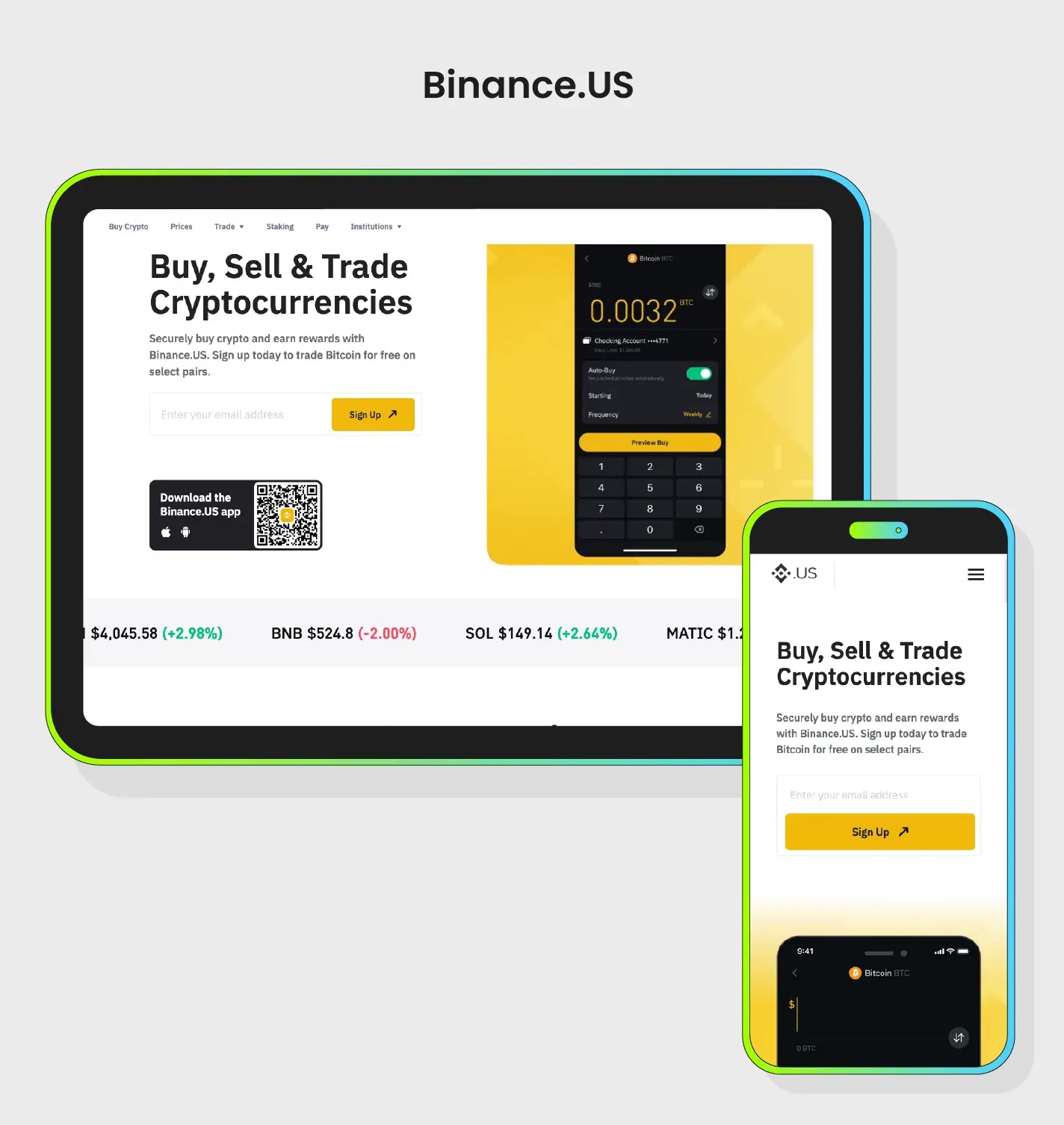
Several cryptocurrency exchanges prioritize security through strict measures. Kraken stores most funds in cold storage and holds ISO/IEC 27001:2013 and SOC 2 Type 1 certifications. It has never been breached. Coinbase follows strict regulations and uses encryption while providing insurance for digital assets. Binance.US upholds security with proactive monitoring, cold storage, and SOC 2 compliance. Gemini maintains strong regulatory compliance with SOC 2 Type 2 certification and insurance. Crypto.com protects funds with cold storage and regulatory adherence.
These exchanges implement multi-factor authentication, regular audits, and strict security protocols, which is why they rank among the safest platforms for cryptocurrency trading.
To verify the safety of a cryptocurrency exchange, start by confirming its regulatory compliance. Check if it is licensed by reputable authorities and follows AML and KYC regulations. Examine its security measures, such as HTTPS encryption, two-factor authentication, and cold storage for funds.
Look for audits and certifications like ISO 27001 to confirm strong security standards, and evaluate user support and liquidity to determine if the platform is responsive and stable. Lastly, inspect website security by verifying domain history and encryption protocols.
The safest cryptocurrency exchanges maintain strong security while offering competitive fees. For instance, Kraken follows a maker-taker model, with fees starting at 0.16% for makers and 0.26% for takers, while Coinbase charges between 0.00% and 0.40% for makers and 0.05% to 0.60% for takers, with instant buy fees reaching 3.99% for credit and debit card purchases.
Binance.US, Gemini, and Crypto.com use tiered pricing, with some offering free Bitcoin trading or fee reductions through staking. These platforms balance security with affordability.
To protect your assets on a cryptocurrency exchange, start by activating multi-factor authentication and biometric security if available. Store most of your funds in cold storage or a hardware wallet to reduce the risk of hacking because using multi-signature wallets adds an extra layer of security.
Additionally, choose exchanges that perform regular security audits and keep your devices updated to prevent vulnerabilities. Trade on platforms that comply with KYC and AML regulations to minimize fraud risks.
Few cryptocurrency exchanges provide traditional deposit insurance. For example, Coinbase offers crime insurance that covers a portion of digital assets, though it excludes losses from market fluctuations or user errors. Additionally, US customers receive FDIC pass-through insurance of up to $250,000 for cash balances held in custodial accounts.
While direct insurance options remain limited, exchanges focus on strong security measures to protect user assets from potential threats.
Decentralized exchanges (DEXs) provide strong privacy and security through a non-custodial model that allows users to control their funds without third-party reliance. Transactions operate through smart contracts that maintain transparency and resistance to tampering.
However, smart contract vulnerabilities and liquidity risks pose significant threats. Front-running attacks can also impact trades, while lost assets often remain irrecoverable, and DEXs lack insurance coverage for user protection. Even though DEXs offer security advantages, users must stay informed about risks and take precautions. Regular audits and secure smart contracts help minimize threats. Those who seek insurance and easier recovery options may prefer centralized exchanges.
Rundown of the Best Safest (Most Secure) Bitcoin and Crypto Exchanges in 2026
-
Kraken
-
Bitunix
-
ChangeNow
-
Crypto.com
-
WEEX
-
Youhodler
-
BuyUcoin
-
MEXC
-
CEX.IO
-
Coinbase

Darko is an experienced crypto and finance writer who became a passionate crypto enthusiast after a lucky break with BNB. Today, he enjoys lambos and butterflies and follows the market for new ways to diversify his portfolio.