


Use cases that matter
Where crypto hits real life in Switzerland:
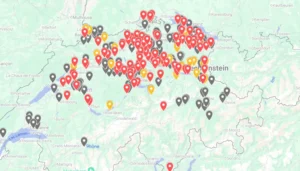
- Everyday purchases via Plan ₿ (Lugano): As of mid-2025, over 400 merchants in Lugano accept Bitcoin, Tether (USDT) or the city’s stablecoin LVGA for everyday purchases, including cafés, groceries, clothing shops and public service counters. Lugano also accepts cryptocurrency payments for municipal taxes and fees. These crypto-accepting merchants are part of the Plan ₿ initiative aiming to embed crypto usage into daily life. In addition, over 100 SPAR supermarkets across Switzerland now accept crypto and stablecoin payments (via the DFX.swiss / Binance Pay integration), enabling shoppers to buy everyday items with BTC, ETH, or stablecoins.
- Stablecoin/crypto banking integration: Licensed Swiss crypto banks are increasingly enabling stablecoin payments and digital asset services, acting as bridges between traditional finance and blockchain-based operations. Firms like Transfi report serving digital asset settlements, treasury functions, and payrolls using stablecoins. Sygnum opened a Lugano office to support this movement, fueling regulated product development in the region.
- Payments via public blockchain: Swiss banks claim first binding payment using public blockchain: PostFinance, Sygnum, and UBS executed the first binding interbank payment using bank deposits on a public blockchain.
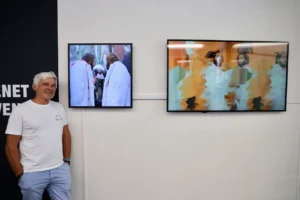
- NFT / digital art events: Switzerland’s art world is embracing NFTs. For example, Digital Art Mile in Basel in 2024 featured exhibitions across several venues, showcasing phygital artworks, historical digital art, and works by NFT-art collectives. Galleries, as part of Art Basel and related events, now allocate space for Web3 art shows, signaling a growing crossover appeal between traditional galleries and digital art formats.
Citizen Voices
- On daily use cases: “Lugano continues to lead the charge: over 360 merchants now accept Bitcoin, Tether (USD₮), and LVGA for everyday transactions: cafes, boutiques, yoga studios, groceries, you name it. It’s not just experimental; it’s part of life here. … In Zermatt, residents can pay local taxes in Bitcoin via Bitcoin Suisse; Zug also enables crypto tax payments. Over 100 SPAR stores already let you buy groceries in BTC, ETH, and stablecoins. And yes, you can even grab a BTC gift card at a petrol station.”
- On banks and mainstream finance: “Regular banks like PostFinance, LUKB, Swissquote, and crypto banks like Sygnum and Amina let you buy, hold, stake, and sell crypto directly in their e-banking apps. For many Swiss residents, ‘using crypto’ starts in a familiar place. And with firms like 21Shares offering crypto ETPs on the SIX, Bitcoin and Ethereum exposure is as accessible as Nestlé or Novartis stock.”
- On the biggest frictions: “The gap isn’t about whether people want to use crypto… it’s about how easy and practical it feels compared to what they already know. Checkout UX and tax complexity are the biggest hurdles. Solution? A regulated CHF stablecoin integrated into TWINT and banking apps, with one-tap payments and built-in bookkeeping. That would move us from ‘investors’ to ‘users’ overnight.”
- On tax and behavior: “Swiss tax law is clear and investor-friendly, and that clarity strongly shapes behavior. Zero percent capital gains tax for private individuals creates a strong bias toward long-term holding. Staking is taxed as income, so people are cautious. Salaries aren’t fully payable in crypto yet, but I know founders experimenting by offering a small Bitcoin perk to employees.”
- On Swiss trends to watch: “If I had to put my chips on one trend, it would be the kind of innovation that blends Swiss precision with crypto efficiency. SwissBorg’s Meta Exchange (MEX), headquartered in Lausanne, aggregates liquidity across exchanges to guarantee best execution for retail. This could become a Swiss export in CeDeFi. On the institutional side, tokenized repo and cash markets at SDX are the big story.”
- On adoption signals: “Crypto adoption here doesn’t just live in headlines. You can track it in numbers that move quarter by quarter: every new bank integration, tokenized-finance volumes on SDX, or street-level merchant growth in Lugano or SPAR stores. When both banks and the street are active, you’ve got genuine adoption.”
- On accessibility and user perception: “AMINA offers clients access to both crypto and traditional assets and banking services. Crypto and traditional finance are converging, and in the future both will coexist. While BTC and ETH are still seen more as investments than payment methods in Switzerland, we see rapid innovation in stablecoin payments. Unlike regions with weak financial infrastructure, Switzerland’s strength means crypto’s payment role is emerging more through specialized projects than necessity.”
- On bridging TradFi and DeFi: “Bridging between traditional and decentralised finance is at AMINA’s founding principle. Clients want risk management, secure banking rails, and access to crypto products under one roof. We partner with global banks to provide this infrastructure, and tokenized assets are quickly gaining traction. The industry is still very new, and it will take time for DeFi best practices to settle, but we see strong momentum.”
- On misconceptions about crypto banking: “The biggest misconception is that crypto banking is complex and risky. In reality, blockchain makes finance more transparent and efficient. Our motto, ‘Crypto. Banking. Simplified.’, reflects our belief that crypto should be straightforward and accessible, just like traditional banking.”
Atanas Piskachev, Subject Matter Expert, Crypto Finance (SAQ Swiss Association for Quality), Member of Bitcoin Association Switzerland
Mike Foy, CFO, AMINA Bank
Crypto cost of living: What 1 BTC buys here
A glimpse into the lifestyle economy — measured in sats, not cents.
Core Lifestyle Benchmarks
Here’s how Switzerland’s everyday prices translate into cryptocurrency terms, based on retail sources and Bitcoin (BTC) prices as of September 2025:
BTC-to-Housing: The Long View
How far has 1 BTC gone over time in the Swiss housing market?
Regulatory + Economic Snapshot
- Johann Schneider-Ammann – Former Economics Minister: Pushed the “Crypto Nation” vision and set a supportive tone.
- Ueli Maurer – Former Finance Minister: Backed the 2020 DLT law and fostered industry dialogue.
- Michele Foletti – Mayor of Lugano: Spearheaded Plan ₿, making Lugano a crypto adoption hub.
- Niklas Nikolajsen – Founder, Bitcoin Suisse: Helped bridge crypto and banking, convinced Zug to accept BTC in 2016.
- Insight: These leaders created a collaborative ecosystem where government and industry shape policy, keeping Switzerland globally competitive in crypto.
Risk Barometer
Crypto Adoption Timeline
-
2016
Zug accepts Bitcoin for public fees, “Crypto Valley” is born
-
2017
Crypto Valley Association founded, ICO wave, Bitcoin ATMs spread
-
2018
Government issues blockchain report, Zug summit draws global crowd
-
2019
Sygnum & SEBA (now Amina) get FINMA licenses, Libra picks Geneva
-
2020
Parliament passes DLT Act, FATF travel rule adopted
-
2021
Zug allows taxes in BTC/ETH, SDX launches tokenized bonds
-
2022
Lugano launches Plan ₿, Ethereum Merge events held in Zug
-
2023
Swiss crypto adoption hits 21%, PostFinance adds crypto trading
-
2024
First Swiss real-estate sale in BTC, ETH Zurich blockchain center
-
2025
MiCA-style rules live, crypto ATMs pass 150, retailers adopt crypto
Meet Your Fellow Crypto Citizens
Switzerland’s crypto community is as lively offline as it is online. From casual meetups to technical deep-dives, there’s always a place to connect, learn, and share ideas with other enthusiasts.
- The Bitcoin Association Switzerland still plays a role in hosting gatherings in Zürich — ranging from casual “Bitcoin Stammtisch” meetups to deeper technical talks (Lightning, layer-2, etc.).
- Ethereum and broader Web3 groups remain active around ETH Zurich and EPFL Lausanne, organizing workshops and developer sessions.
- Regional crypto clubs exist in Basel, Bern, and other cities, often multilingual (English + German/French) to suit the international crowd.
- On the digital side, there is a Crypto Switzerland Telegram group (English language) used for sharing local news and community discourse.
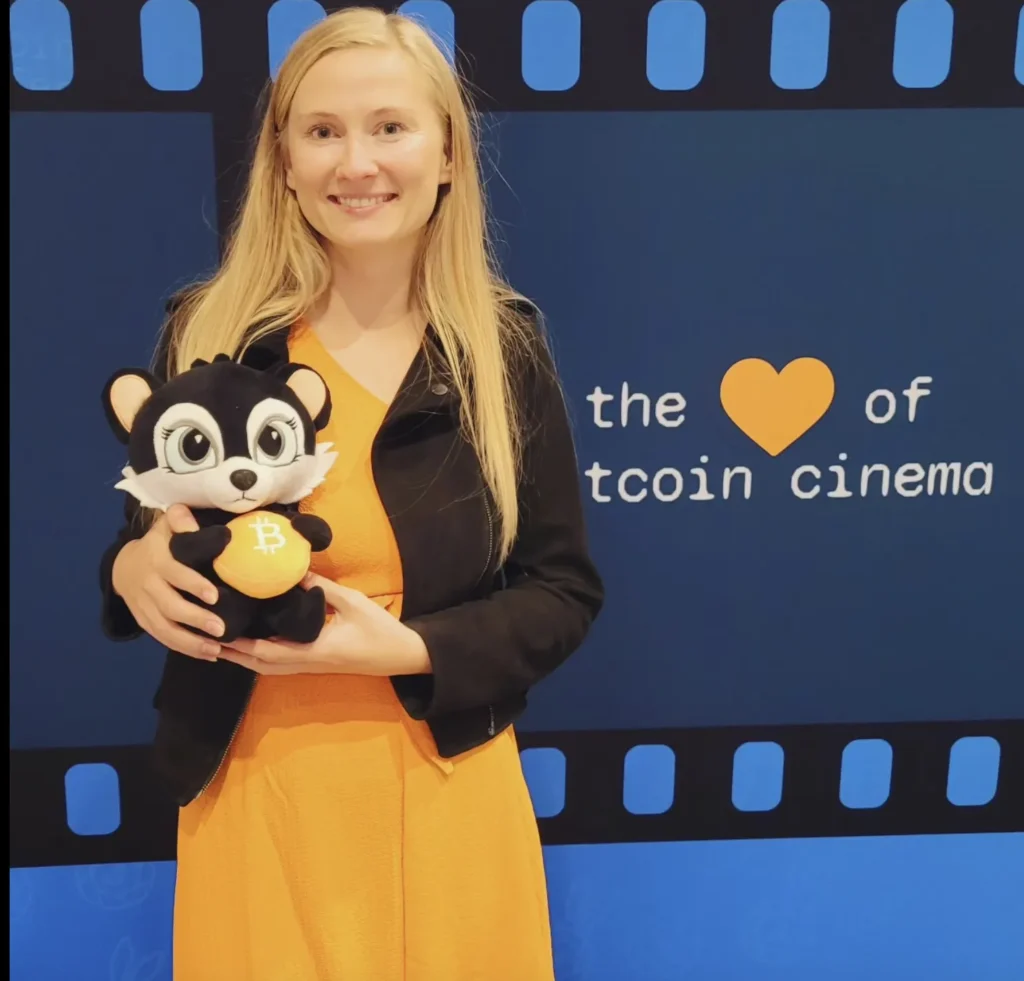
- Smaller pop-ups and topical events (NFT art, crypto film screenings liek the Crypto Film Festival) continue, maintaining grassroots energy and theme overlaps with mainstream culture.
Hubs, Players, Personalities & Coworking Spaces
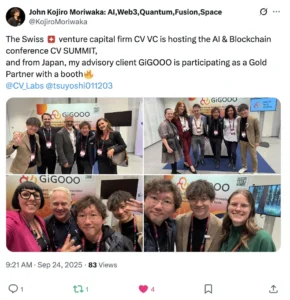
- CV Labs in Zug is a key nexus: coworking, acceleration, networking. Over 130 blockchain companies are housed there.
- The broader Crypto Valley region: (Zug + neighboring cantons) continues to be a magnet for blockchain startups thanks to favorable regulation, tax regime, and infrastructure.
- Trust Square in Zürich Combines a blockchain incubator with public talks, though its prominence has fluctuated over time depending on funding and community shifts.
- 21Shares: Headquartered in Zürich, it is significant for offering crypto exchange-traded products (ETPs) on regulated markets.
- Bitcoin Suisse: Based in Zug, it remains one of the leading service providers (custody, institutional services, prime brokerage) in Swiss crypto finance. Niklas Nikolajsen, co-founder of Bitcoin Suisse, is still a known figure within Swiss crypto circles.
- Online communities: Telegram and Discord are buzzing. The Crypto Profi Schweiz Telegram group (with over 74,000 members) is where people share local news.
- Notable Personalities: If you attend events, you might meet the likes of Olga Feldmeier (“Crypto Queen of Zug”), founder of SmartValor, or Dr. Arturo Bris from IMD Lausanne who spearheads research on digital currencies. They’re usually happy to chat, reflecting the open culture of the Swiss scene.


Main Events in Switzerland
 14,16 January 2026
 St. Moritz
5, 6, June 2025
Rotkreuz, Zug
19 June – 22 June 2025
Basel
23, 24 September 2025
Zürich
24, 25 October 2025
Lugano
St. Moritz
5, 6, June 2025
Rotkreuz, Zug
19 June – 22 June 2025
Basel
23, 24 September 2025
Zürich
24, 25 October 2025
Lugano
Community Posts
Top 5 Trends to Watch
1. Tokenized real estate
- Switzerland is expanding beyond crypto trading into real-world asset tokenization.
- SIX Digital Exchange paved the way with tokenized bonds.
- Startups now enable fractional property ownership via blockchain.
- High-value cities like Geneva could become accessible to younger investors through security tokens.
2. Institutional DeFi & CeDeFi
- Swiss banks are testing regulated DeFi pools and permissioned Ethereum sidechains.
- Institutional DeFi allows on-chain yields with compliance and whitelisted access.
- CeDeFi blends DeFi yields with traditional finance interfaces.
- Users gain higher returns without managing wallets or private keys.
3. Green crypto innovation
- Hydropower-based Bitcoin mining in Valais enables near-zero-carbon operations.
- Blockchain is used for solar energy trading and carbon tracking.
- Initiatives like the Crypto Climate Accord align crypto with climate goals.
- Sustainability is becoming a competitive advantage for Swiss crypto projects.
4. Regulatory fine-tuning
- FINMA is expected to introduce fast-track licenses for low-risk crypto firms.
- Clearer tax rules for DeFi yields and staking are coming.
- Switzerland stays competitive with the EU while maintaining strong AML standards.
5. Web3 luxury & lifestyle
- Watchmakers use NFTs for authentication and provenance.
- Resorts and sports clubs experiment with tokenized memberships and fan engagement.
- Crypto is moving into tourism, fashion, and leisure.
- Web3 is becoming part of everyday Swiss culture, not just tech circles.
Neighbour Watch: What’s Happening Next Door?
🇫🇷 France — Legal, increasingly regulated
- Regime: Mandatory registration for crypto firms and strict AML requirements under the AMF framework.
- Market & focus: Paris has a lively crypto scene with NFT exhibitions and DeFi startups, but consumer protection is a top regulatory priority.
🇩🇪 Germany — Legal, fully regulated
- Regime: Crypto classified as a financial instrument under BaFin; crypto custody licenses are mandatory.
- Market & access: Berlin is a major Web3 hub with active DAOs, DeFi projects, and NFT communities, making Germany one of Europe’s most structured crypto markets.
🇮🇹 Italy — Legal, growing crypto adoption
- Regime: Crypto activities are legal, with regulators pushing for clearer and more consistent rules.
- Market & culture: Rome and Milan see increasing Bitcoin ATMs and crypto-accepting retailers, while football fan tokens and sponsorships keep crypto visible in everyday culture.
🇦🇹 Austria — Legal, innovation-friendly
- Regime: Crypto is legal with simplified tax rules introduced in 2022 for digital assets.
- Market & innovation: Vienna hosts blockchain labs and universities focused on tokenization research, supporting both retail and institutional participation.
🇱🇮 Liechtenstein — Fully legal & regulated
- Regime: The 2019 Blockchain Act explicitly legalized tokenization and crypto transactions.
- Market & positioning: Its pro-crypto stance and small size make it a regulatory “sandbox” for Swiss and EU innovators, with Bitcoin soon accepted for government services.
References
- X. Post by @satoshigallery
- Switzerland’s Digital Backbone: A 2025 Guide to Internet and Satellite Connectivity
- finews.com. True Wealth ETF Study 2025 (ETFs, Shares, Crypto Currencies)
- NAKA. Crypto Payments Adoption Switzerland (Lugano)
- PostFinance. Crypto Trading
- Swiss Banking. SBA Expert Report: Stablecoins (PDF)
- Swiss Banking. Insight 4/24: Digital Wallets, Far More Than Just Money
- FINMA. Enforcement proceedings against Envion AG
- etf.com. 21Shares Launches DYDX ETP, Unlocking Institutional Access to On-Chain Derivatives
- 21Shares. Monthly Flows Report (July 2025) (PDF)
- SBB. Crypto at Ticket Machines
- BTC Map. Merchant Map
- X. Post by @FabianoSolana
- Swissmoney. How to Get Paid in USDC
- The Banker. Article (content page)
- FINMA. Media Release: DLT Trading Facility (Handelssystem)
- Crypto Valley Venture Capital. Crypto Valley Grows 132% Since 2020, Now Hosts 1,749 Companies
- Coinsquare. How Zug, Switzerland Became Known as Crypto Valley
- NZZ. Bitcoin (Topic Page)
- CV Labs. Universities Engaged in Blockchain and DLT in Crypto Valley
- The Art Newspaper. Art Basel Digital Art Initiatives in Switzerland
- SWI swissinfo.ch. How NFT Art Changed the Landscape
- objkt.com
- Digital Artists. NFT Gallery
- Hord. What Is the Ethereum Foundation?
- Kanton Zug. Tax Payments With Cryptocurrencies
- Reuters. Swiss Banks Claim First Binding Payment Using Public Blockchain (Sep 16, 2025)
- NFT Now. Inside the Digital Art Miles Debut During Art Basel in Switzerland
- Visual Capitalist. Mapped: The Price of a Big Mac Across the World
- SWI swissinfo.ch. Swiss Politics (Article)
- Disruption Banking. Switzerland Cryptocurrency Banking, Investment, Retail (Jun 19, 2025)
- CCN. Switzerland Crypto Taxes Guide
- FINMA. Medienmitteilung Envion (PDF)
- SWI swissinfo.ch. Refugee Crypto Millionaire Faces Swiss Money Laundering Probe
- Bitcoin Association Switzerland. Official Website
- TDirectory. CryptoSwitzerland (Group Page)
- Facebook. Photo Post
- Crypto Valley Labs. Official Website
- Crypto Valley Labs. Crypto Valley
- X. Post by @OlgaFeldmeier
- CFC St. Moritz
- Crypto Valley Conference
- ArtMeta
- CV Summit
- Plan ₿ Forum (Lugano)
- X. Post by @KojiroMoriwaka