

Use cases that matter
Where crypto hits real life in Portugal:
- Cross-border business payments and treasury use: Portugal-based crypto and Web3 companies use Bitcoin and stablecoins for international settlements, particularly for remote teams and global contractors. The country’s open EU market access and licensing framework make it attractive for firms managing crypto treasuries alongside EUR banking rails.
- Crypto-funded relocation and digital nomad spending: A major real-world use case is individuals relocating to Portugal while living off crypto holdings. High digital-nomad inflows and visa programs have helped make Portugal a hub for crypto-native residents whose everyday spending converts digital wealth into the local economy.
- Property purchases using crypto (growing niche): Property transactions using cryptocurrency are increasingly feasible in Portugal. While usually settled via conversion and subject to AML and tax checks, some developers, sellers, and notaries are now accustomed to crypto-origin funds in real estate deals.
- Licensed crypto exchanges and brokerage services: Portugal hosts regulated virtual asset service providers (VASPs) registered with Banco de Portugal. These firms offer exchange, brokerage, and custody services, bringing crypto activity into the supervised financial perimeter.
- Web3 infrastructure and security companies: Portugal, especially Lisbon, has become a base for globally focused blockchain, DeFi, and security teams. The country’s historically permissive but AML-focused regime helped attract builders rather than just traders.
- Crypto mining activity (legally permitted): Portugal places no specific restrictions on cryptocurrency mining, allowing individuals and firms to operate mining activities subject to general laws such as energy and environmental rules.
- EU-passportable crypto services under MiCA: With MiCA implementation, authorised Portuguese crypto firms can scale services across the EU. This transforms Portugal from a local crypto hub into a regulated gateway to the wider European market.
Citizen Voices
Mitchell Amador, CEO of Immunefi
Beyond taxes, he highlights the powerful network effects forming in Lisbon, noting that the country has “attracted an increasingly large network of crypto founders,” turning the city into a global hub where proximity to customers and peers makes building easier. Amador characterizes the local scene as distinctly “frontier-driven,” closely aligned with crypto’s original decentralized ethos and free to develop an “avant-garde culture,” which he says is why major projects were able to take root there. He also stresses the ecosystem’s constant activity, with “countless local meetups” and weekly gatherings, arguing outsiders underestimate how much real product work happens on the ground. Finally, he points to Portugal’s multicultural openness and small domestic market as forces that push teams to think globally from day one, reinforcing Lisbon’s role as an international Web3 hub where founders from anywhere can plug in and build.
Reddit user
The above reflects a very real grassroots narrative around Portugal: everyday crypto holders and families still see the country as a lifestyle upgrade plus a relatively friendly jurisdiction for digital assets. At the same time, the fact the user is actively asking about “misconceptions or hurdles” highlights the 2025–2026 shift: interest remains strong, but people increasingly expect more complexity and compliance than in Portugal’s earlier “crypto haven” era.
Crypto cost of living: What 1 BTC buys here
A glimpse into the lifestyle economy — measured in sats, not cents.
Core Lifestyle Benchmarks
Assumptions:
- BTC price: USD $68,000 (as on Feb 21, 2025)
- FX: USD/EUR = 0.88–0.90 → 1 BTC = EUR 57,800
- Prices benchmarked to Lisbon region
In Portugal, 1 BTC (€57,800) buys roughly 6,500 McDonald’s meals, 24,000 coffees, or about 40 months of a city-centre one-bedroom rent in Lisbon.
This highlights that Portugal still offers relatively strong lifestyle purchasing power for crypto holders compared with many Western European markets, although housing costs in Lisbon have risen sharply in recent years and remain the main pressure point in the cost of living.
BTC-to-Housing: The Long View
How far 1 BTC has gone over time in the housing market
How prices were estimated:
- BTC historical price data translated via average USD/EUR over time
- Housing estimate based on current rent and approximate value of small apartments
Housing inflation in Lisbon has roughly doubled the BTC needed to rent a typical one-bed annually compared with the early 2010s.
Regulatory + Economic Snapshot
Risk Barometer
Gives time-sensitive readers a feel for how volatile or stable the legal landscape is.
Crypto Adoption Timeline
-
2020
Digital Action Plan launched/ fosters blockchain/crypto innovation.
-
2021
BoP Notice 3/2021: VASPs register for AML/CFT compliance.
-
2022
Aligns with OECD CARF & broader EU Regs prep.
-
2023
New crypto tax regime/ BoP Notice 1/2023 strengthens AML/CFT rules.
-
2024
EU MiCA fully applicable/ clarity for crypto property/fintech expands.
-
2025
CASP approvals paused/ MiCA legislation complete/ licensing reopens.
-
2026
VASP transitional regime to 30 Jun/ MiCA migration/ CARF reports begin.
Meet Your Fellow Crypto Citizens
Portugal, especially Lisbon, continues to host a dense calendar of crypto, Web3, and fintech gatherings. The ecosystem blends flagship global conferences with developer hackathons and institutional roundtables, making the country one of Southern Europe’s most active digital-asset hubs.
Key Crypto and Fintech Events
 9–12 Nov 2026
 Lisbon
4–6 Jun 2026
Lisbon
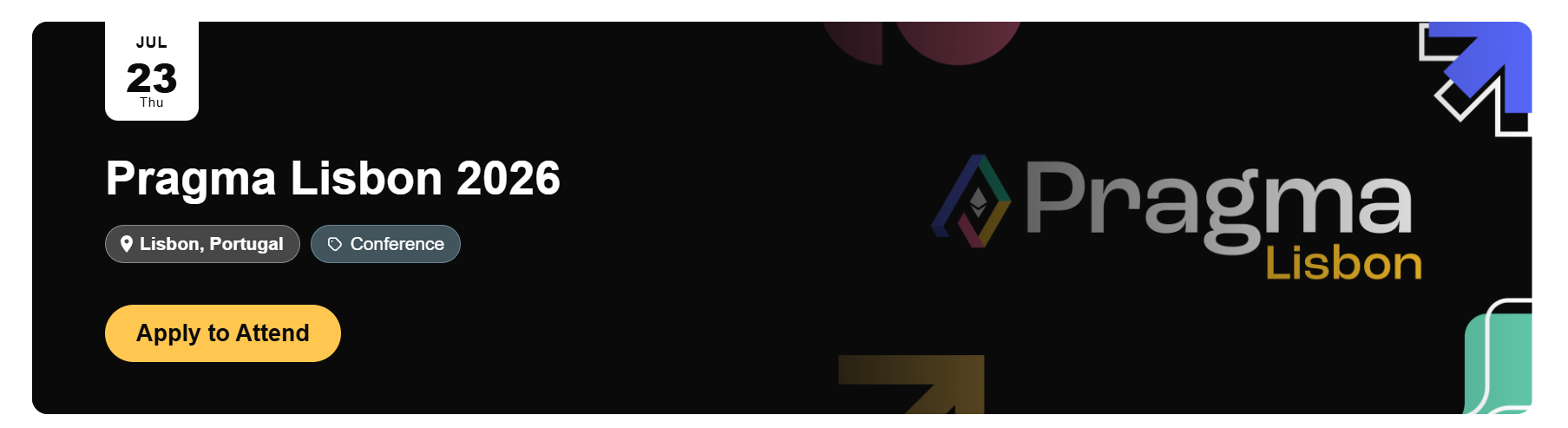
23 July 2026
Lisbon
21–22 May 2026
Porto
Lisbon
4–6 Jun 2026
Lisbon
23 July 2026
Lisbon
21–22 May 2026
Porto

Top 5 Trends to Watch
1. MiCA licensing reshapes Portugal’s crypto market
- Under the EU’s Markets in Crypto-Assets (MiCA) framework (fully applicable from late 2024, with national transitions continuing into 2026), Portugal is moving from its historically light-touch regime to full authorization and supervision of crypto-asset service providers.
- The emphasis is on passportable, EEA-compliant operations, such as custody, brokerage, and issuance, aligned with AML and consumer-protection rules rather than the earlier retail-driven growth phase.
2. Regulated stablecoins gain traction for euro settlement
- Euro-denominated stablecoins and MiCA-compliant e-money tokens (EMTs) are increasingly positioned for treasury, trading, and cross-border settlement use cases within the euro area.
- In Portugal, the opportunity is less about everyday retail payments and more about fintechs, payment firms, and institutional desks using regulated stablecoins to streamline euro liquidity and reduce friction in international flows.
3. Real-world asset (RWA) tokenization focuses on property and funds
- Portugal’s strong real-estate market and international investor base make it a natural testing ground for tokenized property and fractional ownership structures.
- Expect movement from small pilots toward regulated fund wrappers, tokenized real-estate vehicles, and cross-border distribution structures designed to fit within EU securities and MiCA frameworks.
4. Banks and fintechs deepen crypto infrastructure integration
- Portuguese banks and EU-focused fintechs are gradually expanding into crypto custody, on-/off-ramps, and digital-asset services as regulatory clarity improves.
- The trend is toward institution-grade infrastructure, such as regulated custody, audited reserves, and partnerships between traditional finance and Web3 firms, rather than speculative retail platforms.
5. Compliance, tax reporting, and regtech become core differentiators
- As oversight tightens, competitive advantage is shifting toward firms that can automate AML checks, travel-rule compliance, and tax reporting for Portuguese and EU clients.
- Portugal’s maturing ecosystem is well positioned for audit-friendly, MiCA-ready tooling that bridges on-chain activity with traditional regulatory reporting requirements.
Neighbour Watch: What’s Happening Next Door?
What crypto looks like across the border — and why it matters.
Around Portugal, the dominant pattern is “legal, EU harmonized, compliance led.” Spain and France are moving from pre MiCA regimes into full MiCA supervision, while Switzerland is openly adopting crypto. Across the water, Morocco has historically restricted crypto but is actively drafting a legal framework, creating a very different “shadow adoption” dynamic on Portugal’s southern flank.
🇨🇭 Switzerland — Institutional, bank-led crypto hub
- Regime: Legal and regulated under FINMA; crypto treated as assets/property. No retail CBDC.
- Access: Strong institutional access via banks, crypto ETPs, and custody providers; retail trading legal but conservative.
- What’s next: The Swiss National Bank continues Project Helvetia (wholesale CBDC) on SIX Digital Exchange, supporting settlement of tokenized bonds and funds, reinforcing Switzerland’s role as Europe’s institutional crypto backbone.
🇪🇸 Spain — MiCA transition, CNMV as the core gatekeeper
- Regime: Legal and regulated under EU MiCA, with the CNMV increasingly central to crypto asset oversight (including white paper processes under MiCA timelines).
- Access: Retail trading remains accessible through compliant providers, but the compliance bar is rising as firms shift into MiCA authorisation and disclosure expectations.
- What’s next: More formal MiCA era procedures and scrutiny around crypto asset documentation and marketing, as Spain operationalises its post transition workflow.
🇫🇷 France — PSAN legacy to MiCA authorization, hard deadline
- Regime: Legal and regulated, moving from the legacy French DASP/PSAN framework to MiCA authorisation under the AMF.
- Access: Still strong for users because many providers already operate under France’s existing regime, but they must move into MiCA authorisation to continue long term.
- What’s next: The AMF has publicly pointed to the end of the transition window on 1 July 2026 for continuing services without MiCA authorization, forcing a real market “filtering” moment.
🇲🇦 Morocco — restricted legacy, regulation on the table
- Regime: Historically restrictive since a 2017 era ban posture, but with official signals and drafting activity toward a regulated framework in recent years.
- Access: In practice, demand hasn’t disappeared, but usage tends to be informal and offshore, which contrasts sharply with Portugal’s EU aligned compliance rails.
- What’s next: If Morocco’s draft framework progresses, it could shift flows for remittances, P2P activity, and cross border crypto commerce in the wider Iberia North Africa corridor.
References
- Portugal Population (2026) – Worldometer
- Advancing in tandem – results of the 2024 BIS survey on central bank digital currencies and crypto
- List of registered virtual asset service providers
- Bitcoin ATM Map Portugal – Find Bitcoin ATMs in Portugal
- Digital 2026: Portugal — DataReportal – Global Digital Insights
- Bitcoin ATM Map Portugal – Find Bitcoin ATMs in Portugal
- Buy Multi-brand Gift Cards in Portugal with Bitcoin or Crypto – Bitrefill
- How crypto payments can enhance real estate industry growth – The Portugal News
- Utrust signs with Portugal soccer champs SL Benfica for crypto payment acceptance
- Crypto in Portugal – YouTube
- Bison Bank plans first Portuguese bank issued stablecoin – Ledger Insights
- How Blockchain is Revolutionizing Real Estate Investment: Behind the Scenes of a Tokenized Marketplace | Blocksquare Blog
- Portugal’s Crypto Tax Guide | A Hidden Gem for Crypto Investors
- Portuguese Blockchain Alliance (@all2bc) / X
- Akinyemi Oseni on LinkedIn: #blockchainafrica #suihackerhouse #web3
- How to get a Crypto license in Portugal
- Supportive Policies Boost Portugal’s Crypto Adoption – CCI
- Crypto Property PT 2025: Legal & Tax Guide | PortugalProperty.com
- Registration of virtual assets service providers – Banco de Portugal
- Blockchain & Cryptocurrency Laws and Regulations 2026 – Portugal – Global Legal Insights
- Legal Alert – Portugal implements laws on crypto-assets and transfer of funds regulations
- Any Aussies moved to Portugal? : r/Bitcoin
- Cost of Living in Lisbon: 2026 Guide for Expats – Wise
- Rental prices in Lisbon drop – Lisbob
- The increase of rental prices in Lisbon slows down, but they are still at their highest – idealista
- The Cost of Living in Lisbon in 2025: A Complete Guide – BE Global Properties
- Banco de Portugal regulates the registration of virtual assets service providers
- Portuguese Draft State Budget 2023 | Blevins Franks
- Legal Alert – Portugal implements laws on crypto-assets and transfer of funds regulations
- Another edition of Portugal FinLab is coming! Applications close on February 13
- Supportive Policies Boost Portugal’s Crypto Adoption – CCI
- Crypto-Assets in Portugal: Current tax Framework and Key Developments – LVP Advogados
- Blockchain 2025 – Portugal | Global Practice Guides – Chambers and Partners